

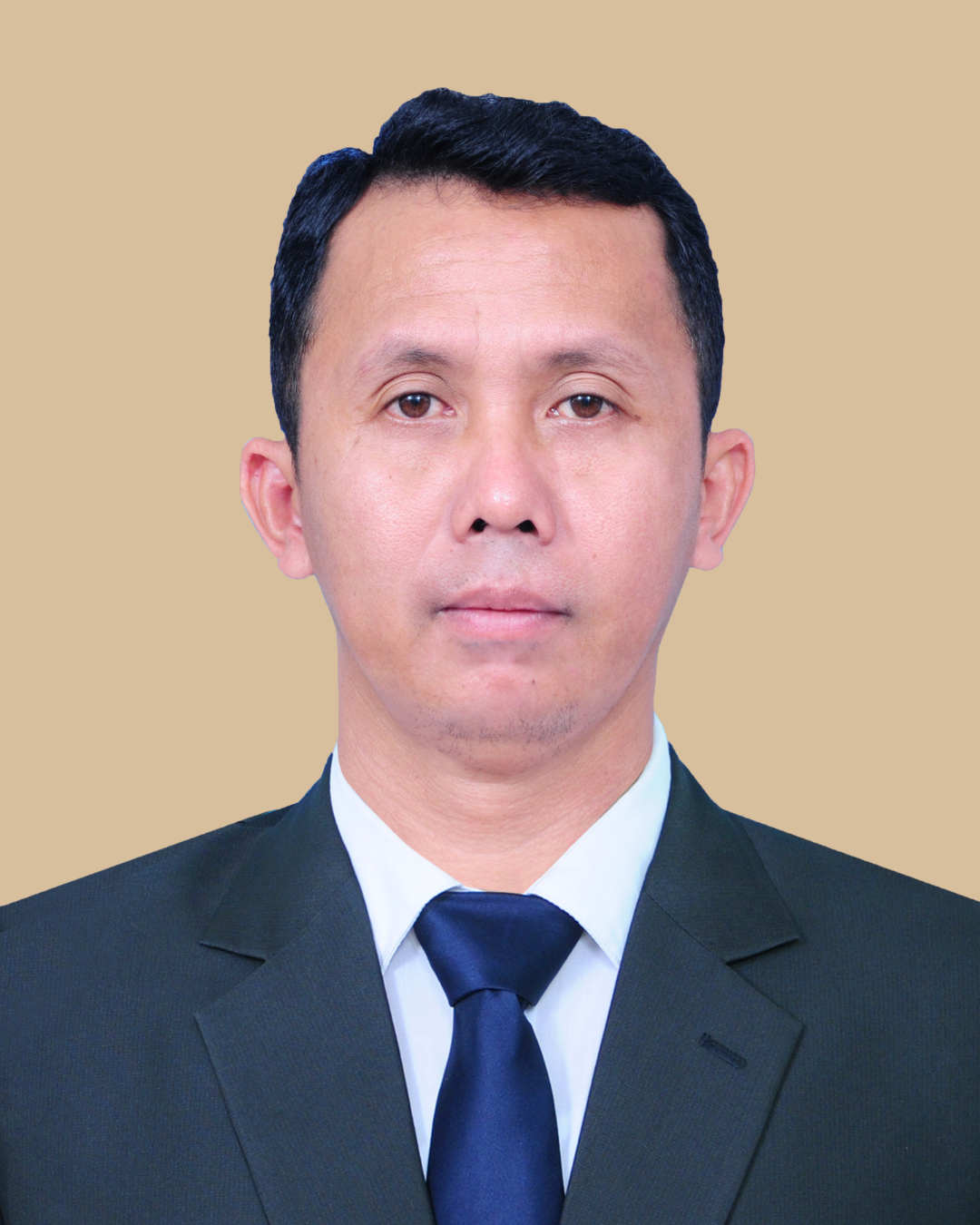
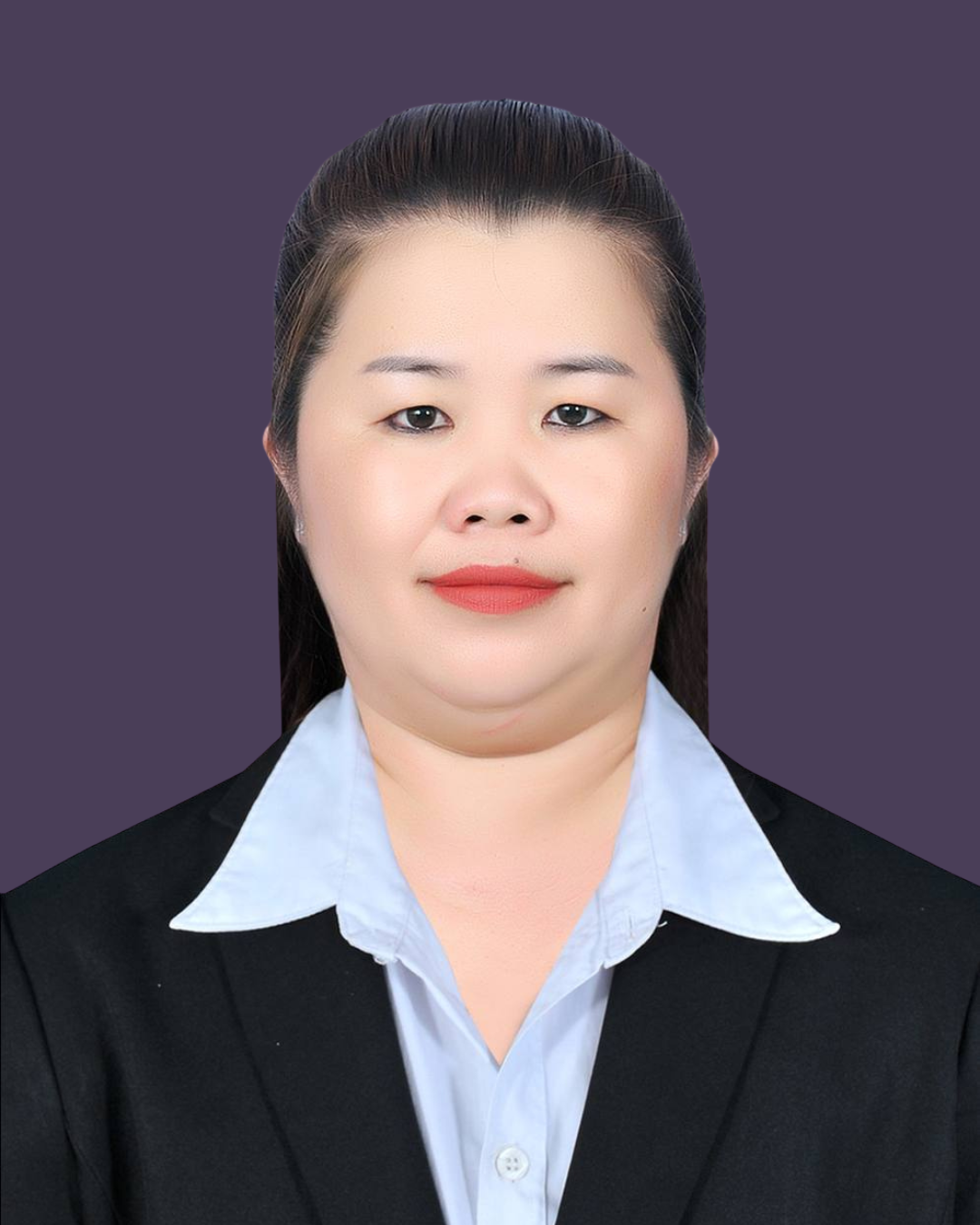
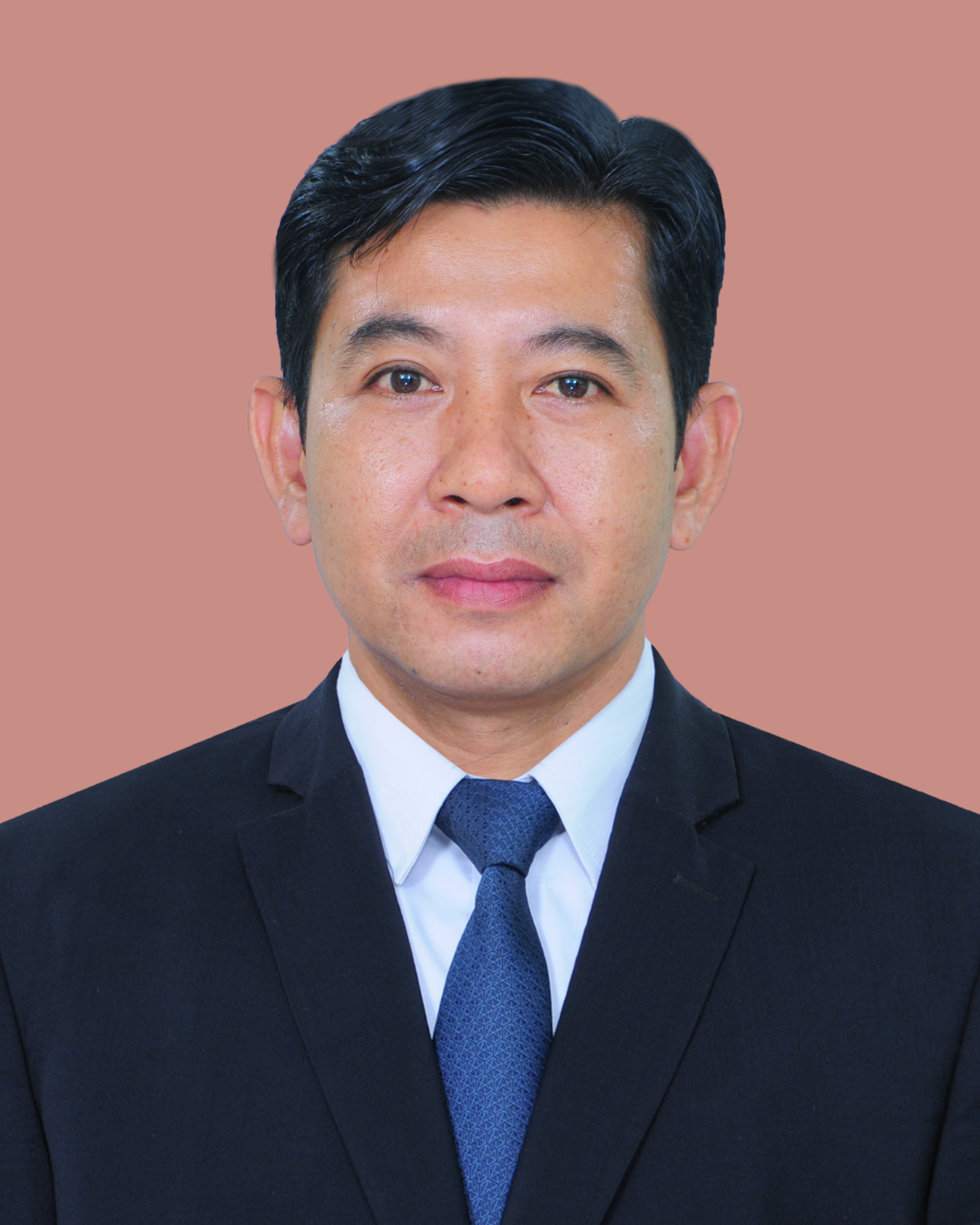
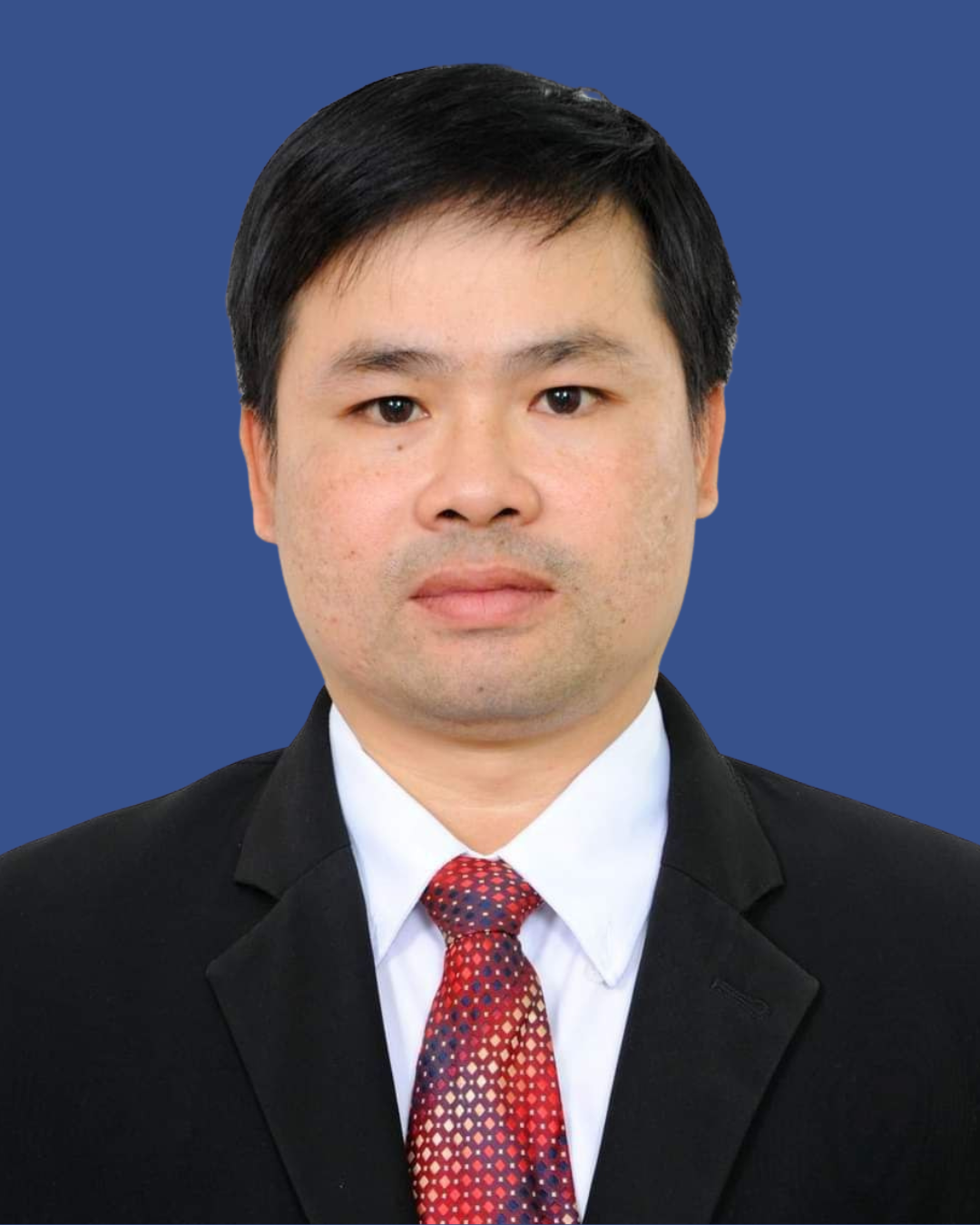
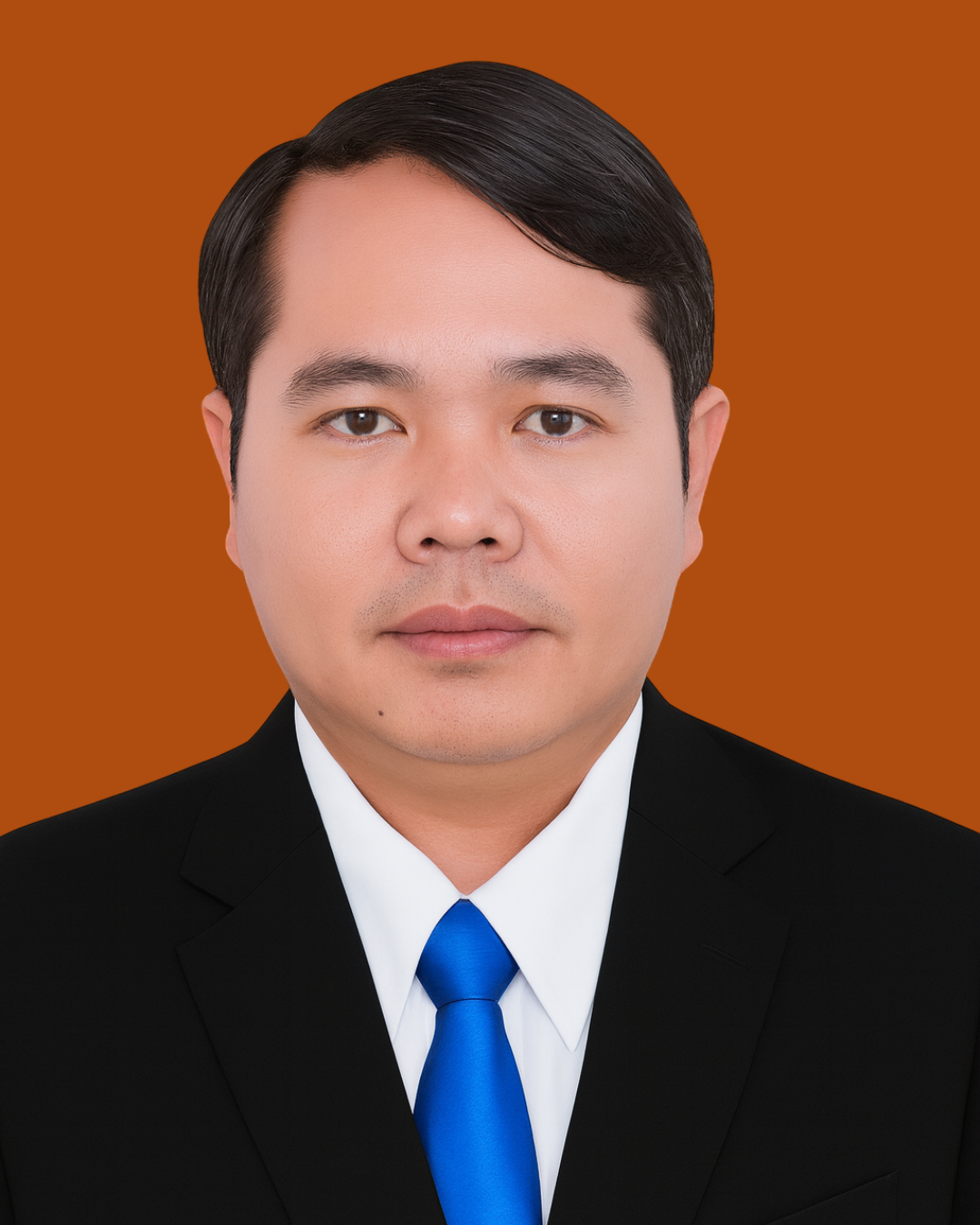
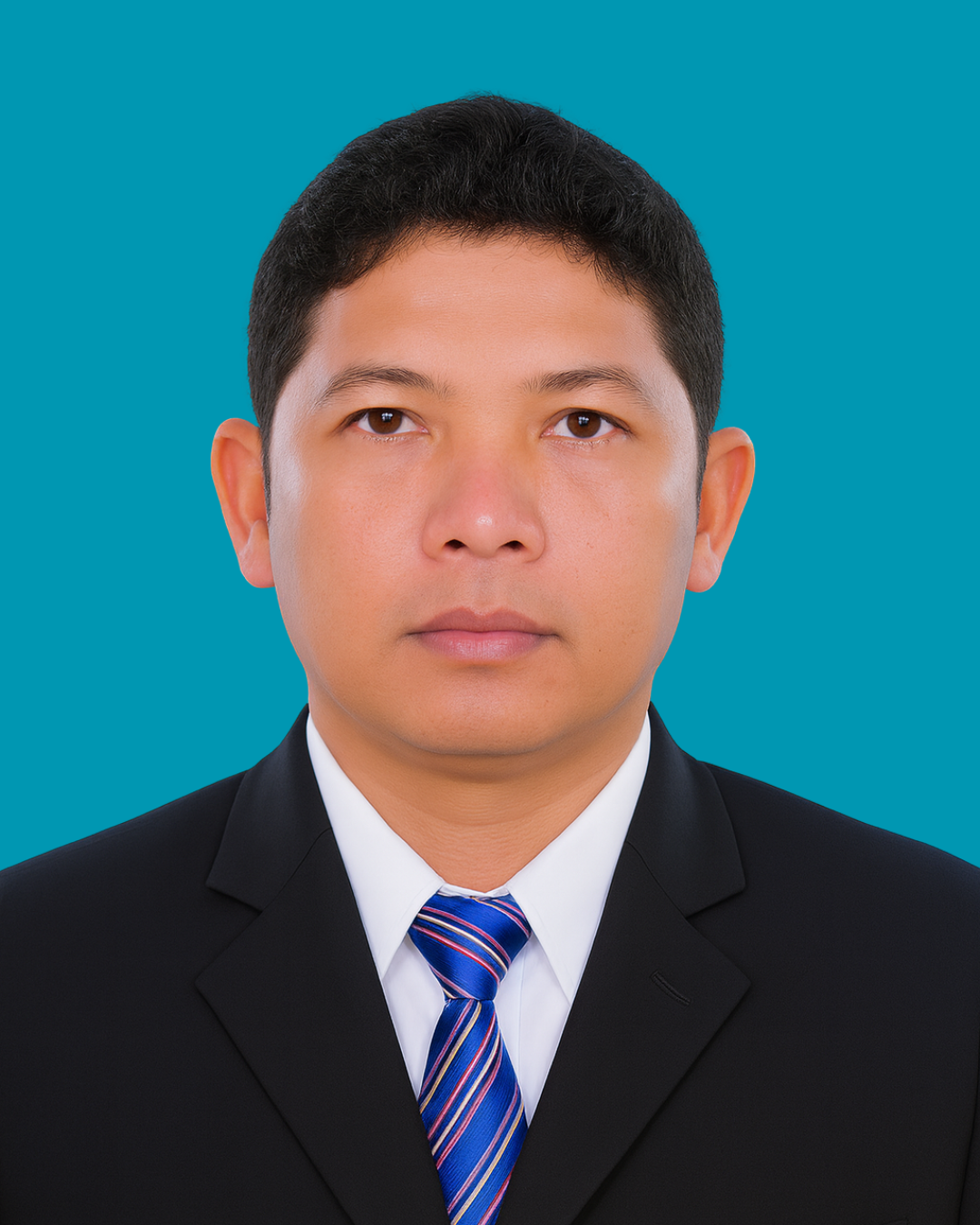
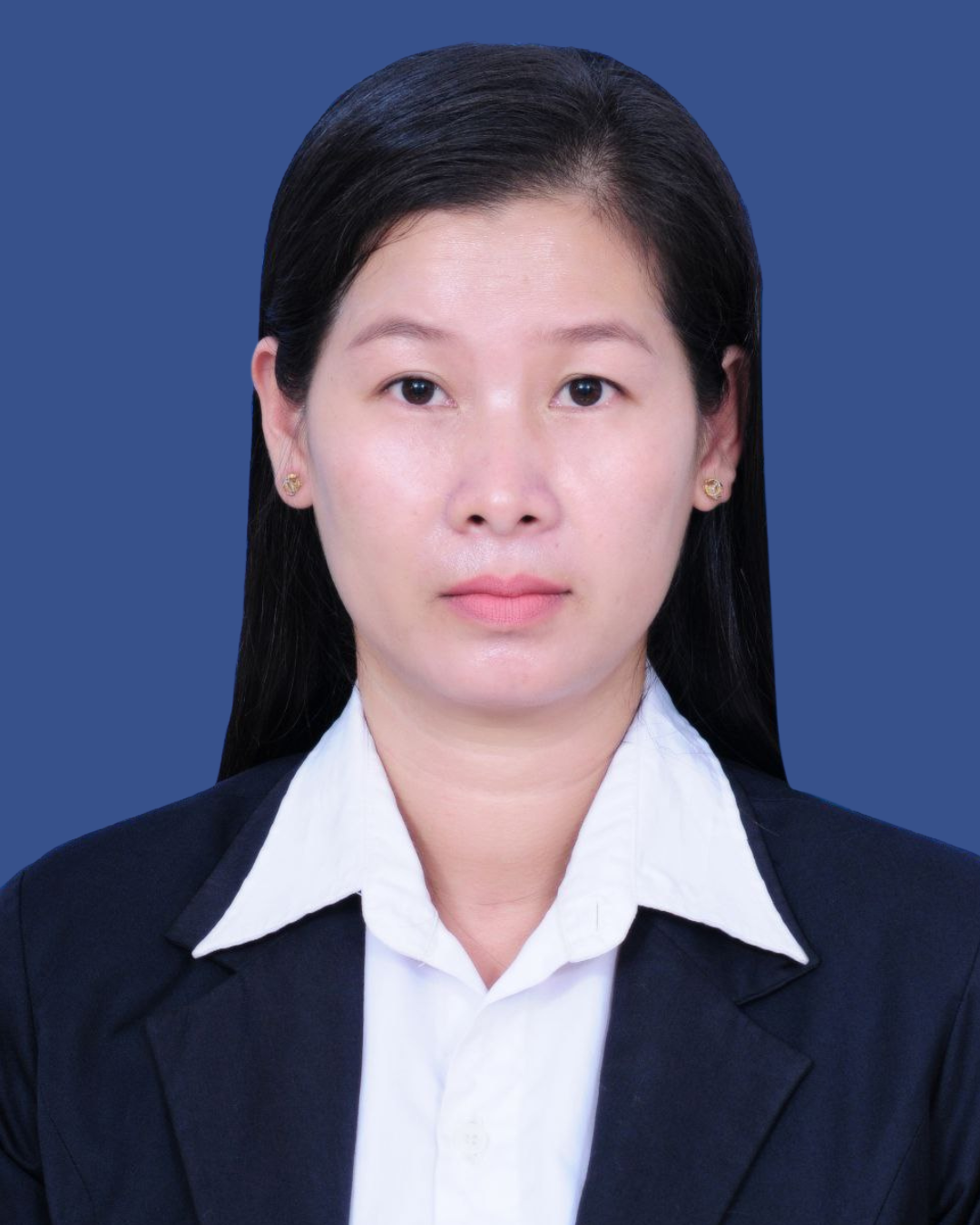
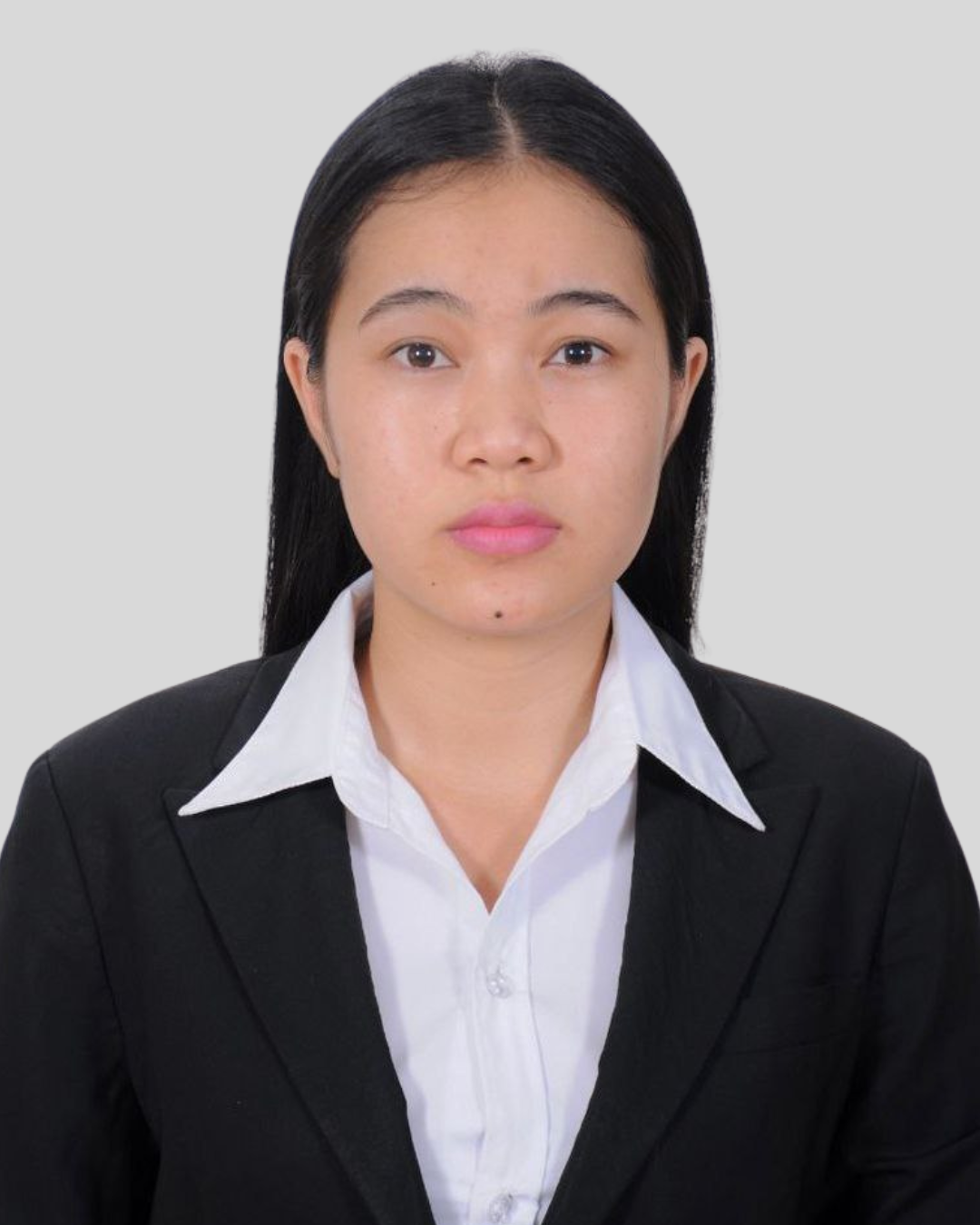
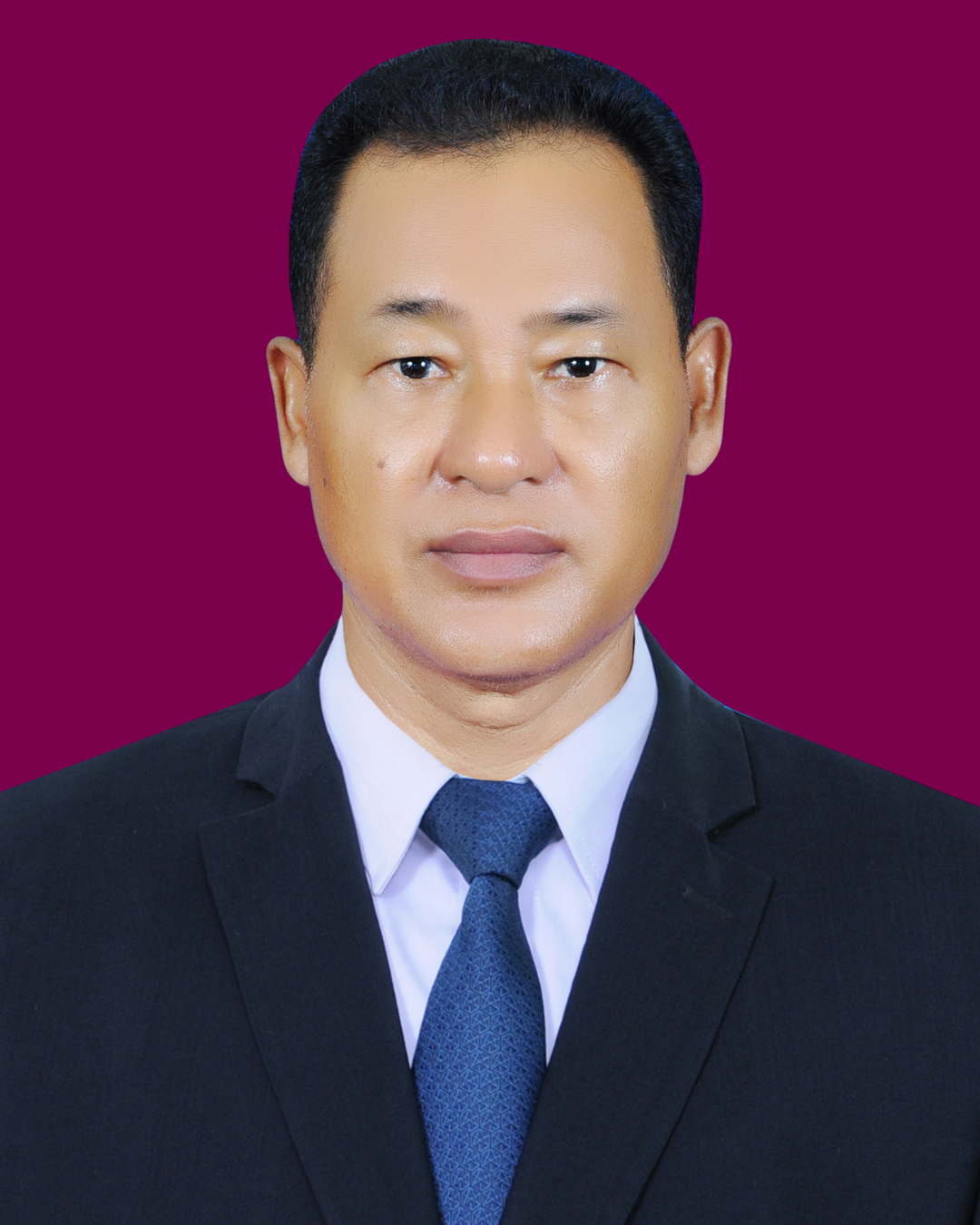
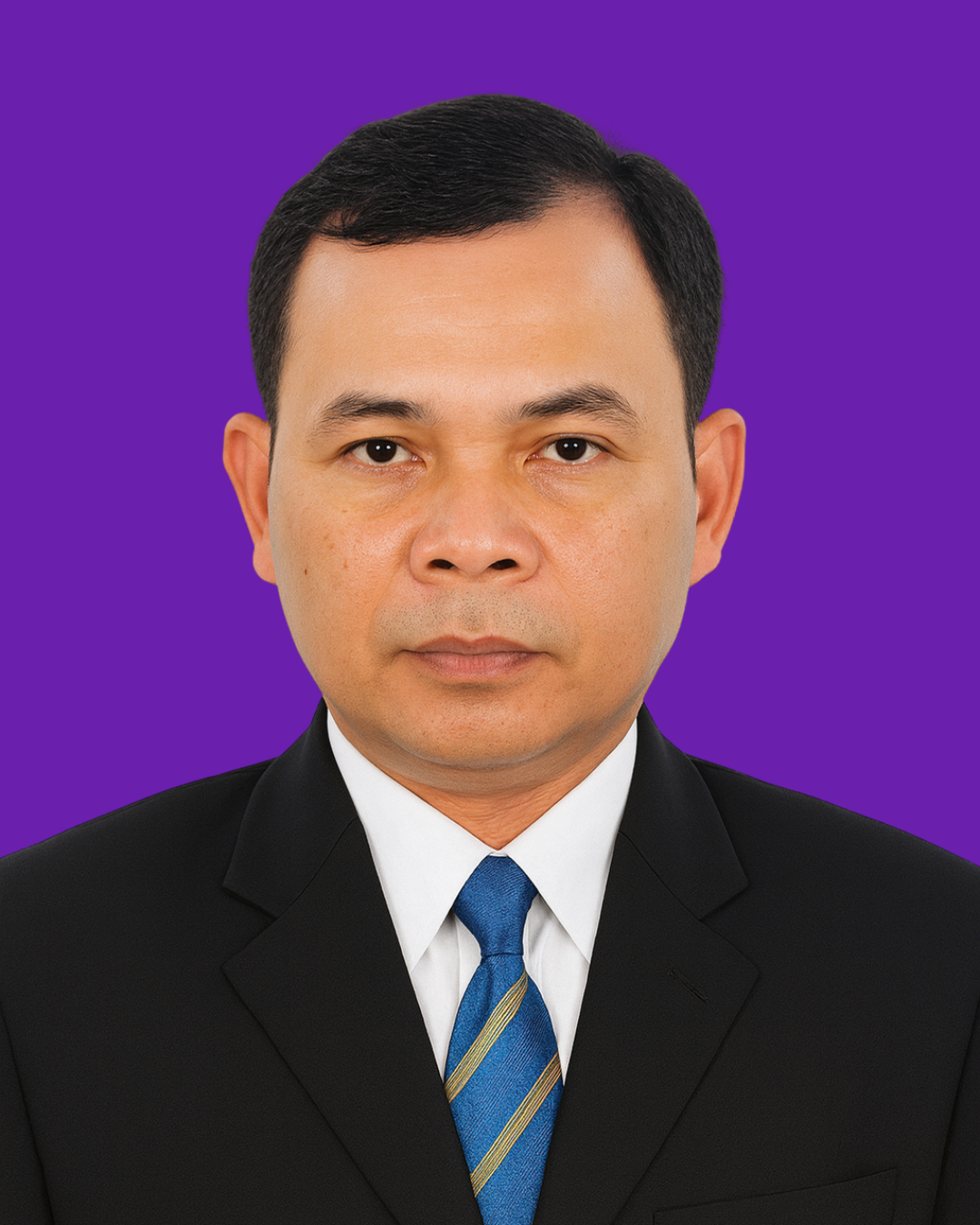
Health Professional Instructors




Quality and Competency-Based Education and Training
The learning process is designed to maintain an appropriate balance between theoretical instruction, practical training, and professional ethics, in order to prepare students with the competencies required for effective health service delivery.
Qualified and Experienced Instructors
Teaching and academic guidance are provided by qualified health professionals with relevant experience in both theoretical instruction and practical training.
Competency-Based Learning
Classroom instruction is integrated with demonstrations, practical sessions, skills development, and continuous assessment to strengthen students' professional competencies.
Practical and Clinical Training
Students strengthen their professional skills through practical training at the School and at relevant clinical practice sites in accordance with the approved training programs.
Professional Ethics and Responsibility
The School promotes discipline, accountability, respect for patients, professional conduct, and teamwork as essential values in the health profession.
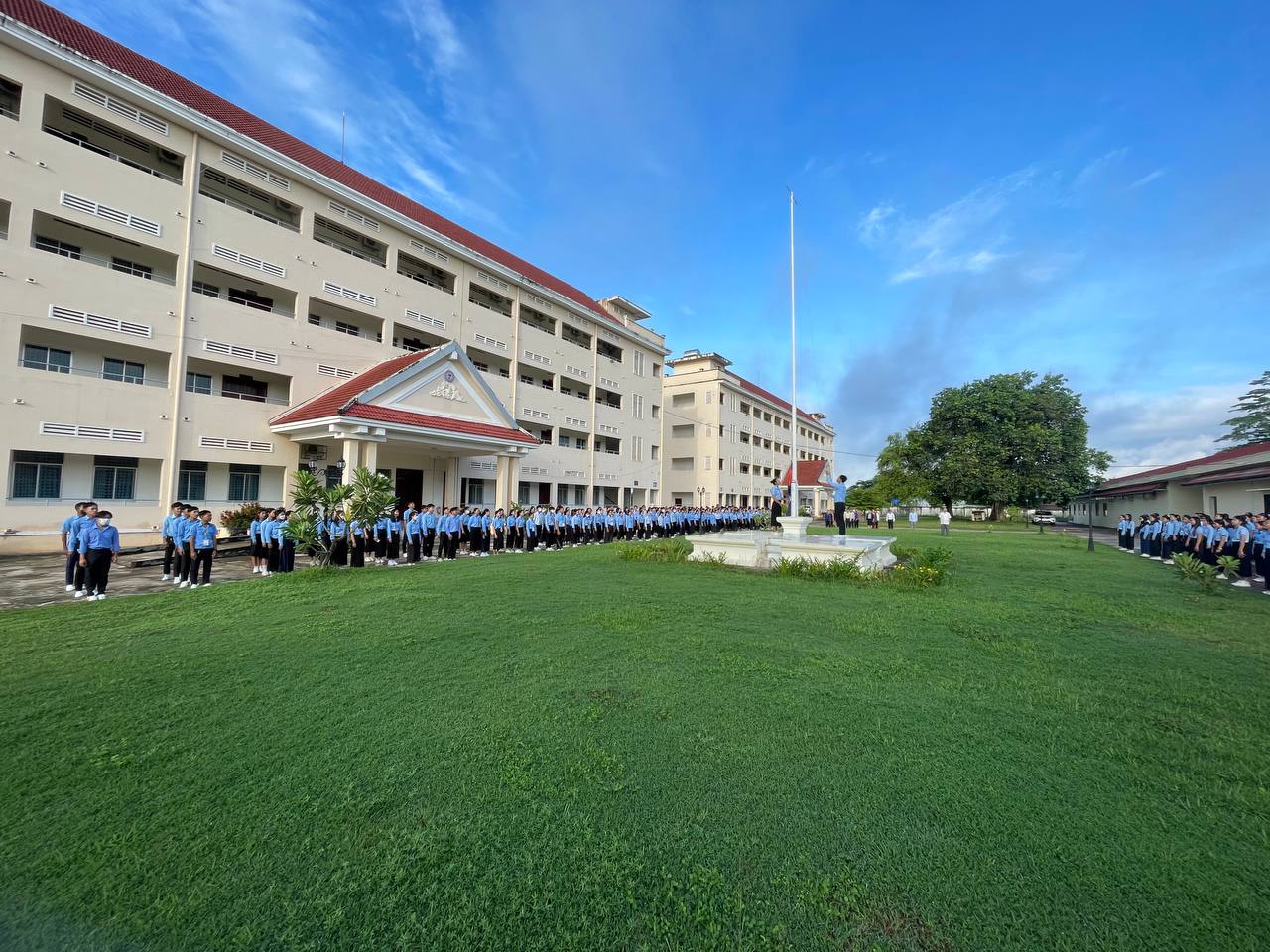
1. Introduction
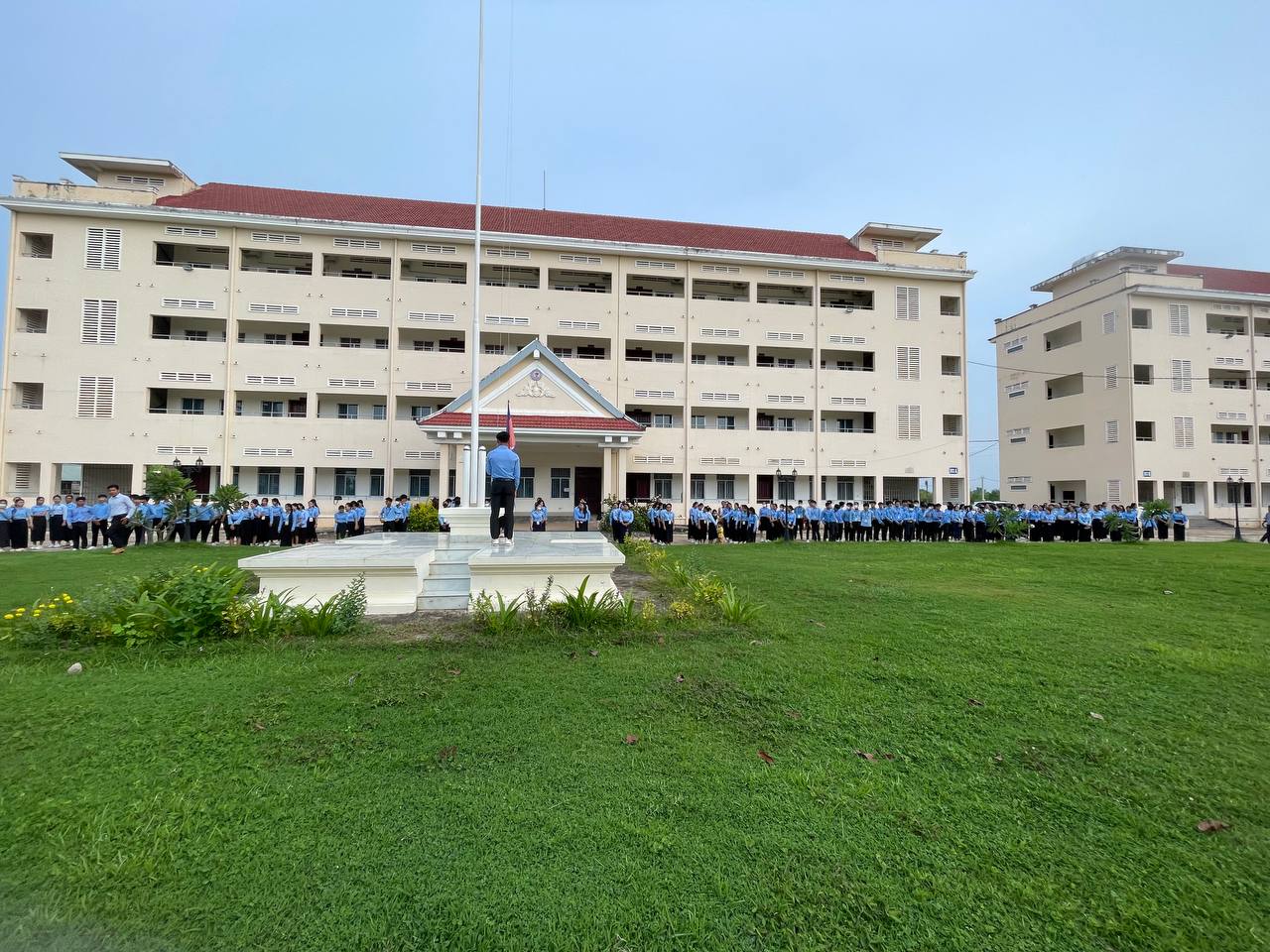
Stung Treng Regional Health Secondary School is a health professional education institution whose mission is to develop human resources equipped with knowledge, professional competence, ethics, and accountability. The School contributes to meeting the population’s healthcare needs, particularly in Stung Treng and the provinces of northeastern Cambodia.
The School’s training integrates theoretical knowledge, practical skills, clinical experience, community health work, personal development, and participation in social activities. Its principal objective is to prepare students with the competence required to work in the health system with quality, safety, humanity, and respect for patients’ rights.
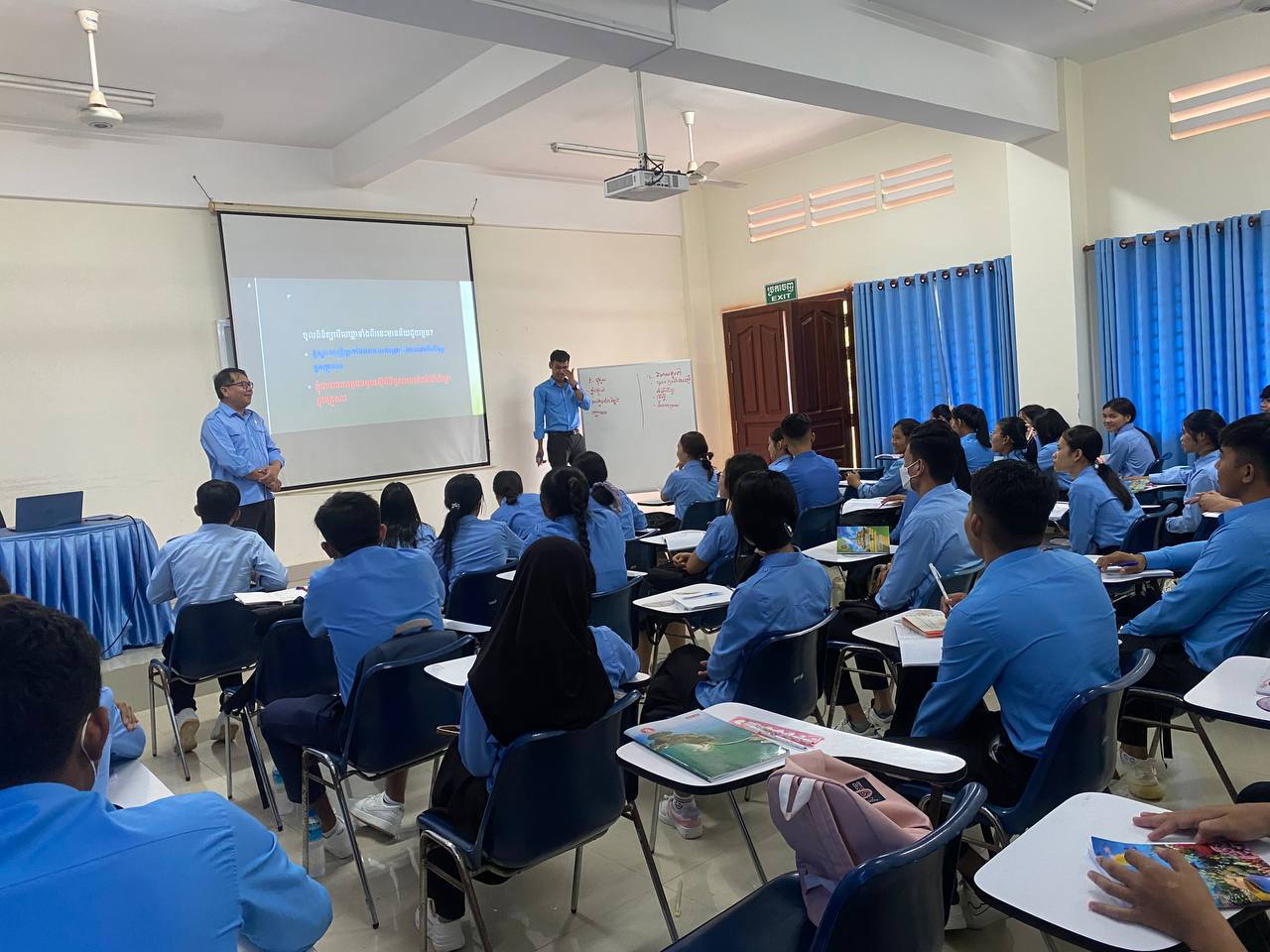
2. Training Programmes
The School currently delivers two principal training programmes:
- Associate Degree in Nursing programme
- Associate Degree in Midwifery programme
Both programmes are delivered over three years, equivalent to six semesters, in accordance with the national curricula, training standards, and guidelines of the Ministry of Health.
The curricula cover basic sciences, biomedical sciences, foundations of care, adult care, child care, maternal and newborn care, reproductive health, mental health, community health, infection prevention and control, medication administration, first aid, emergency care, health education, professional ethics, communication, management, and basic research.
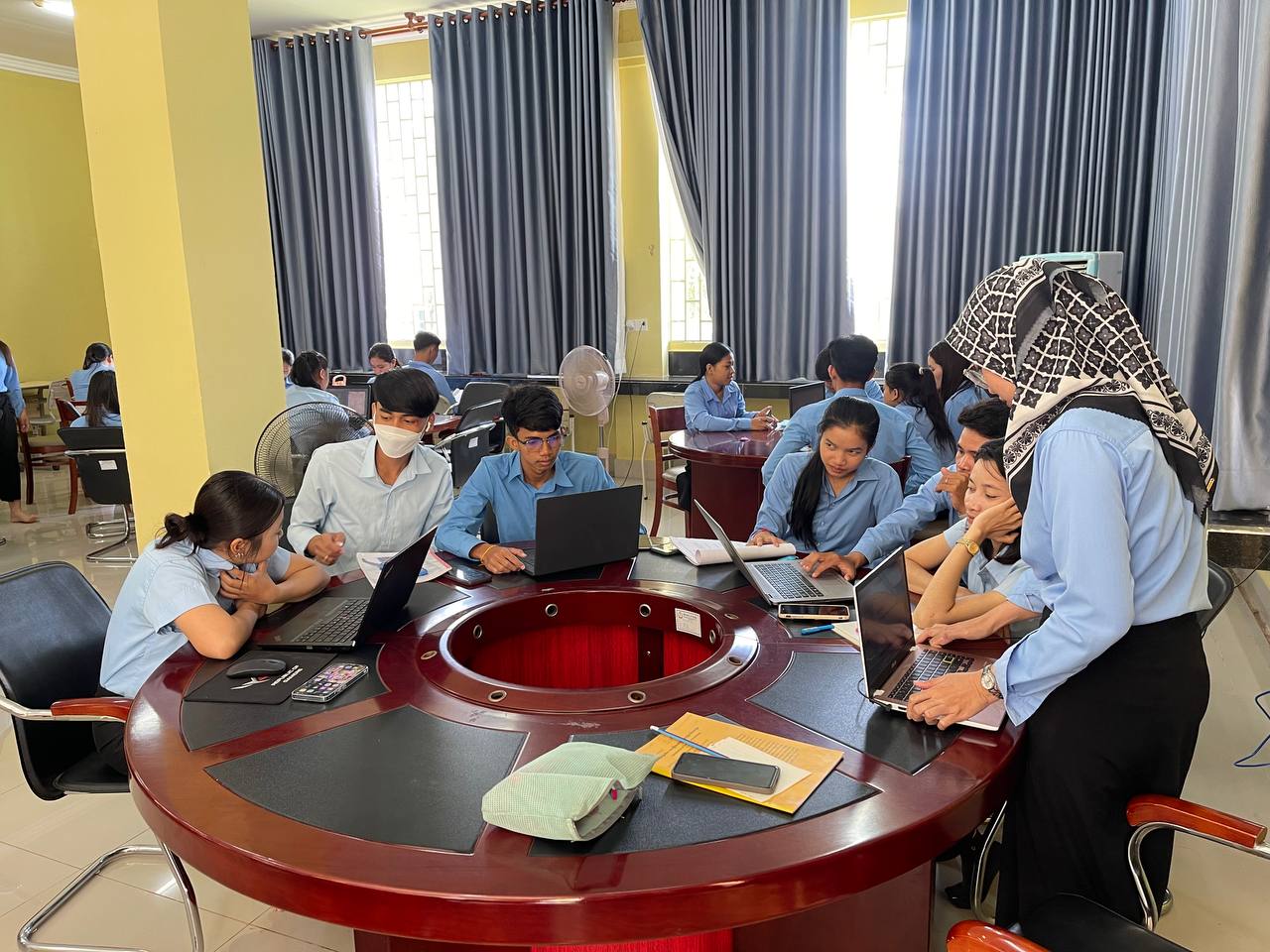
3. Teaching and Learning
Teaching and learning use varied, competency-based methods with an emphasis on active student participation. Teaching methods include:
- Classroom-based theoretical instruction
- Discussion and teamwork
- Case-based learning and problem-solving
- Presentations and research
- Skills demonstrations and practice
- Simulation-based practice in skills laboratories
- Clinical practice and community placements
These methods enable students to think critically, analyse situations, solve problems, make professional decisions, and apply theoretical knowledge correctly in real-life settings.
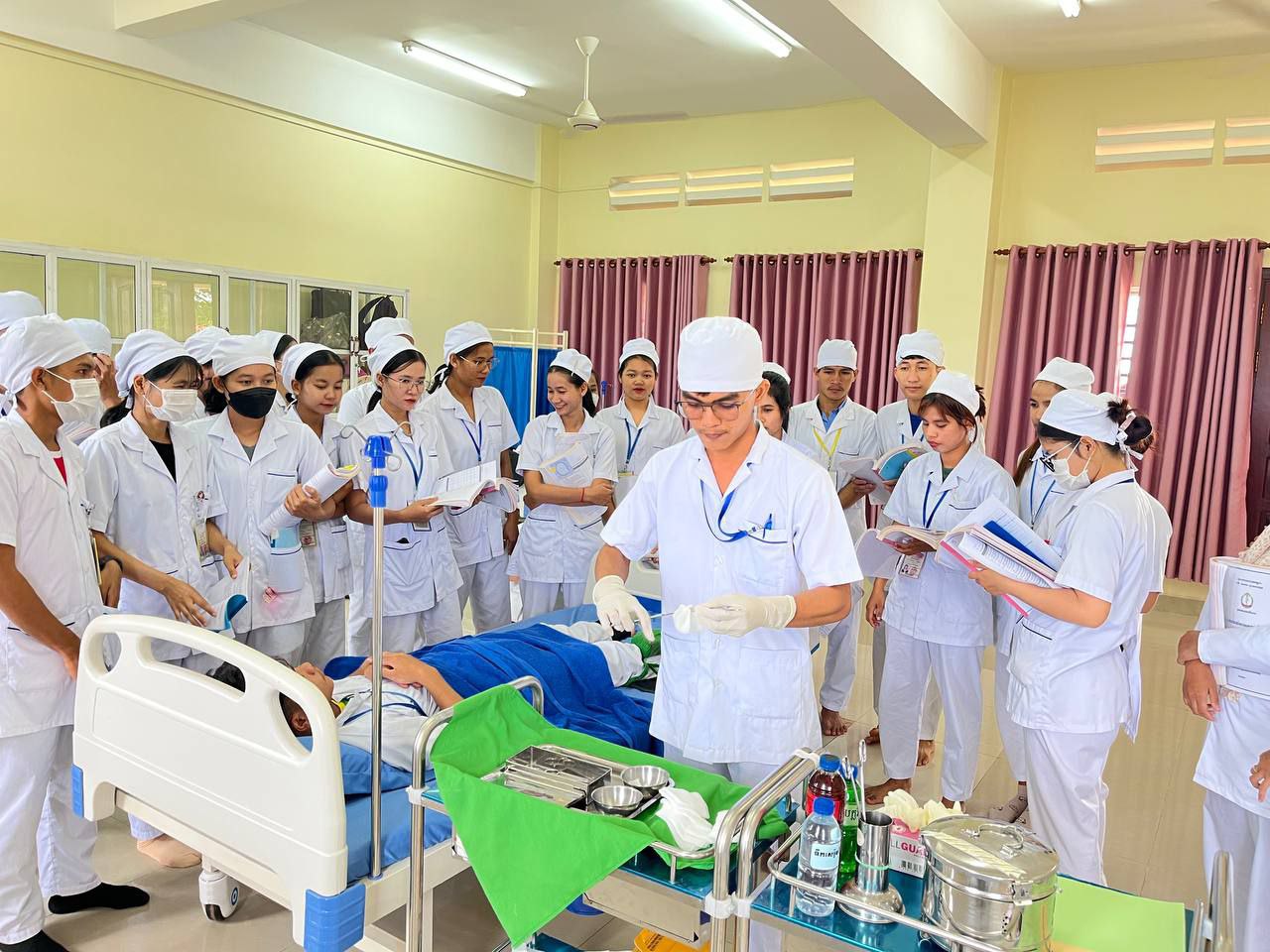
4. Practice in Skills Laboratories
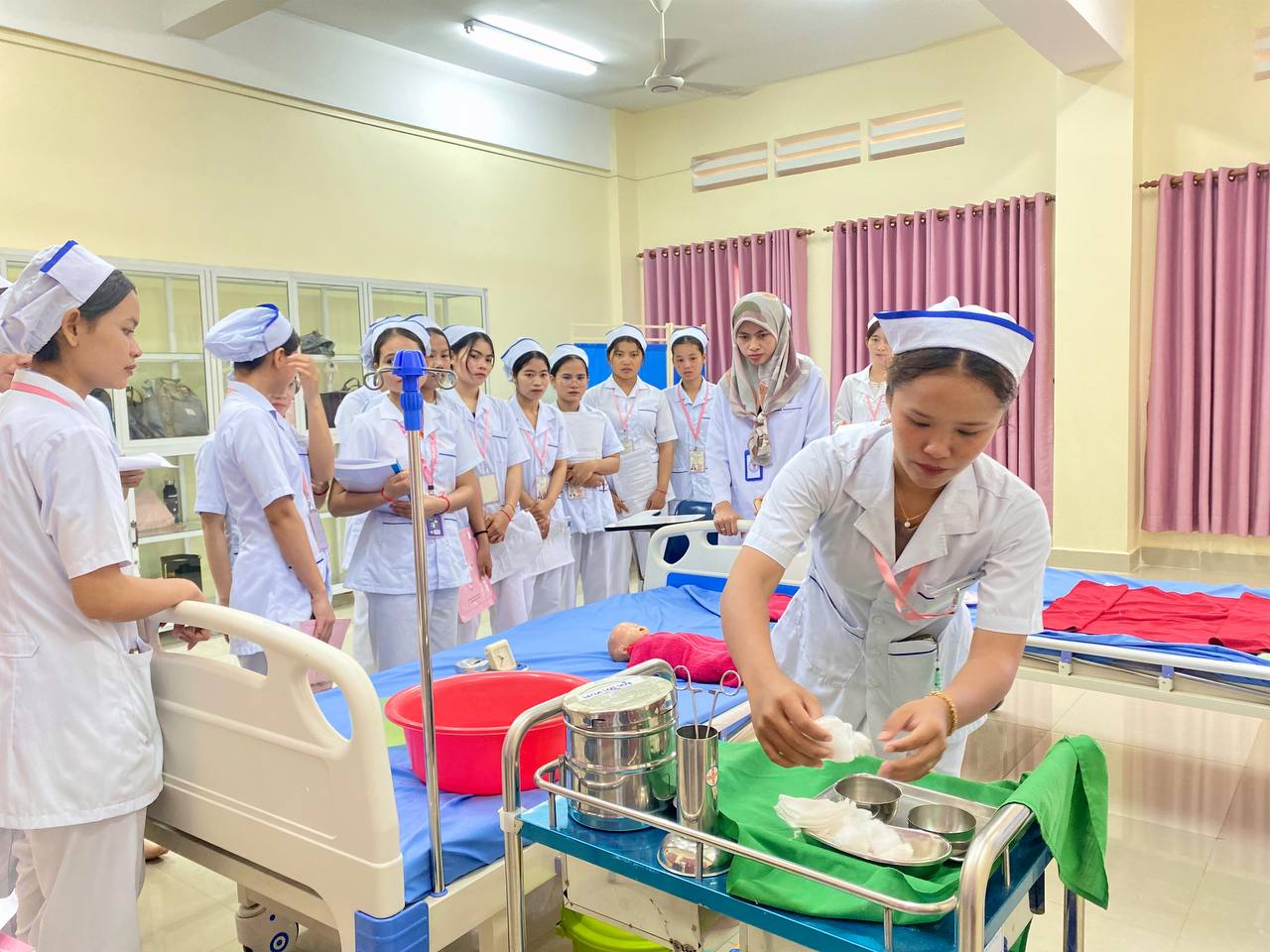
Before practising with patients, students receive training in the School’s skills laboratories under the guidance and supervision of instructors.
Training includes measuring vital signs, providing basic care, using medical equipment, preventing and controlling infection, administering first aid, providing maternal care, assisting childbirth, and caring for newborns.
Repeated practice helps students develop proficiency, confidence, and safety awareness before participating in actual patient care.
5. Clinical Placement
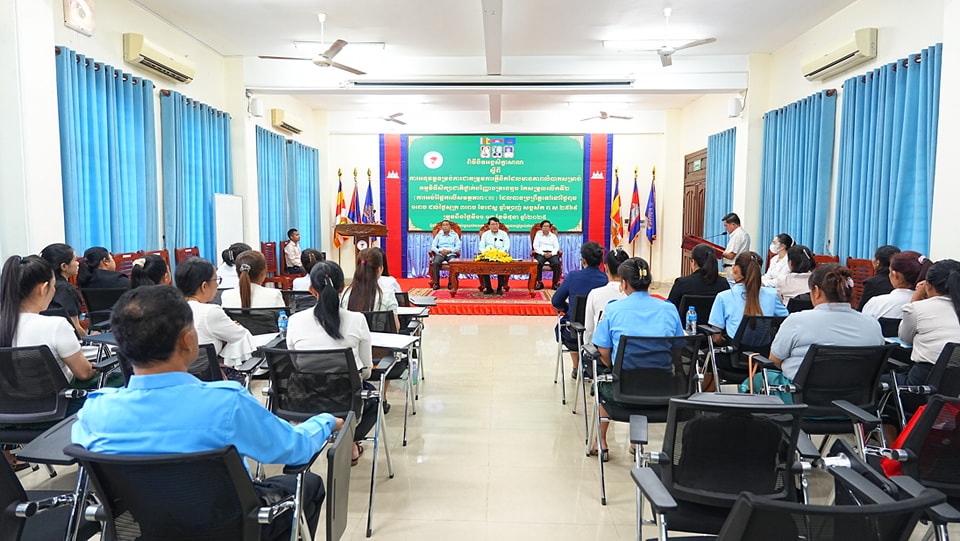
Clinical placement is an essential component of the training programmes. Students undertake practice in hospitals, health centres, and other relevant healthcare facilities under the supervision of instructors, clinical preceptors, and health personnel.
During clinical placements, students practise receiving and assessing patients, preparing care plans, delivering care, monitoring patients’ conditions, providing health education, recording information, and collaborating with healthcare teams.
Clinical placements provide students with practical experience, familiarity with the work environment, professional communication skills, and preparation for employment after graduation.
6. Community Health Practice
Students participate in community-based learning and health practice to understand the population’s health status, living conditions, environment, culture, and actual health needs.
Key activities include health education, hygiene promotion, prevention of communicable and non-communicable diseases, maternal and child health, nutrition, reproductive health, family planning, and promotion of appropriate use of health services.
Through community placements, students gain experience communicating with residents, local authorities, and health personnel, while learning to collaborate in identifying and addressing local health problems.
7. Sports, Culture, and Student Activities
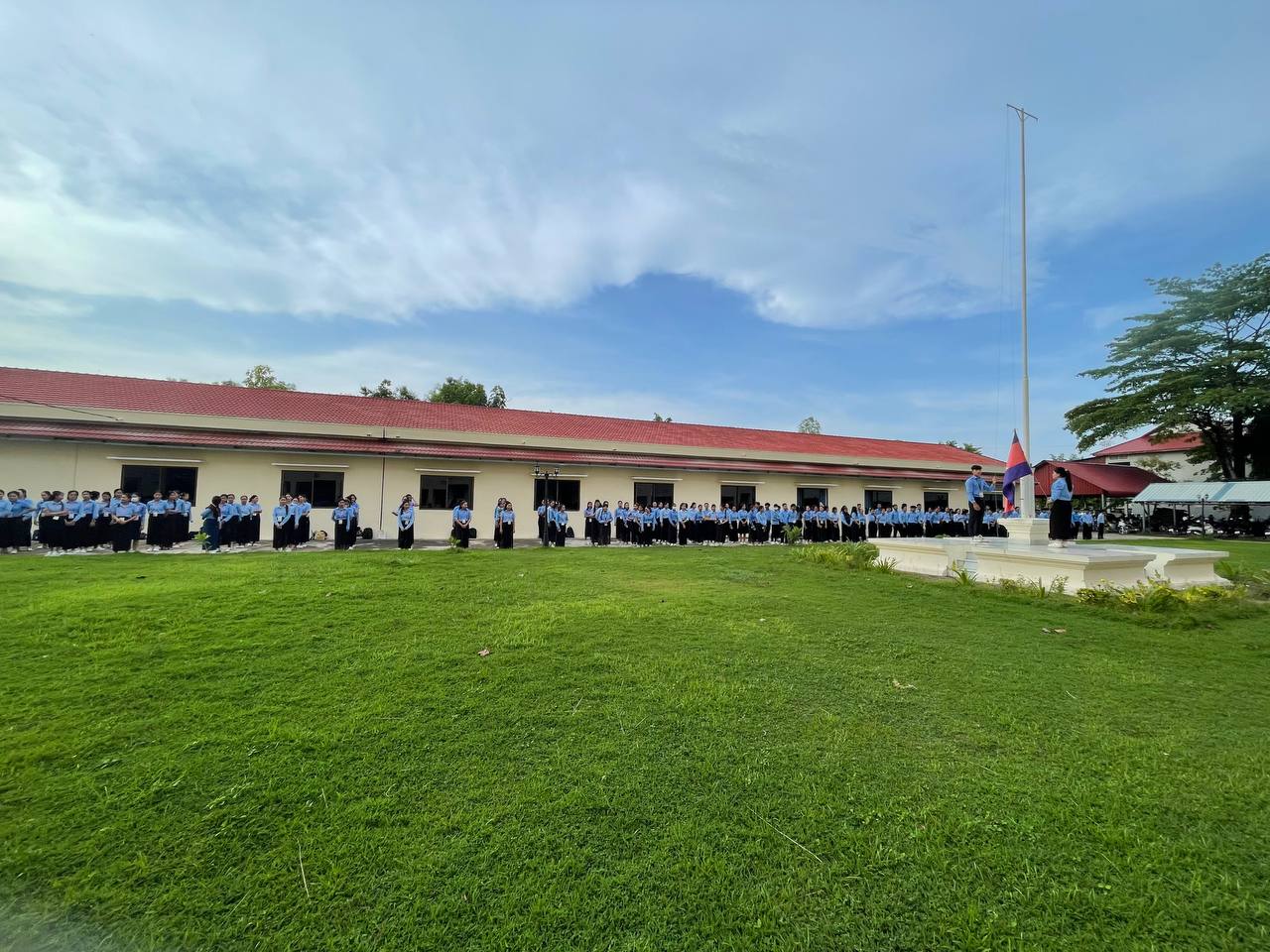
The School supports students’ development in knowledge, physical health, mental well-being, discipline, solidarity, and leadership.
The School organises and encourages student participation in:
- Sports programmes and friendly competitions
- Cultural and artistic activities
- Recreational programmes and student events
- Educational and leadership-development activities
- Activities that strengthen solidarity and teamwork
These activities promote health, reduce academic stress, strengthen relationships, and foster discipline, responsibility, and a spirit of teamwork among students.
8. Social and Voluntary Activities
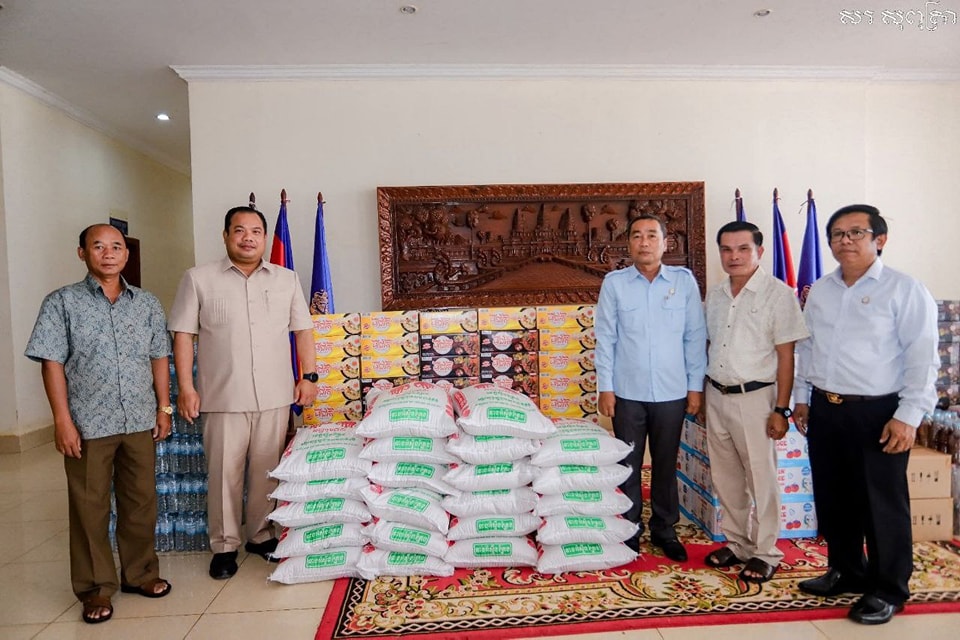
The School encourages students to participate in social, voluntary, and humanitarian activities to cultivate a spirit of sharing, compassion, and social responsibility.
These activities may include:
- Health promotion and education
- Participation in disease-prevention campaigns
- Environmental clean-up and tree planting
- Participation in humanitarian programmes
- Support for community members and vulnerable groups
- Collaboration with relevant institutions and authorities
Social activities help students better understand the role of health professionals in promoting the health and well-being of the population.
9. Student Accommodation
The School provides student accommodation for those who live far away, face financial hardship, or have essential needs, subject to the School’s eligibility criteria, internal regulations, and available capacity.
The accommodation is intended to reduce students’ living and travel expenses while providing a safe, orderly, and supportive environment for study and daily life.
Living in student accommodation also fosters discipline, independence, solidarity, responsibility, and respectful communal living. Selection for accommodation is conducted in accordance with the policies and procedures established by the School.
10. Assessment of Learning Outcomes
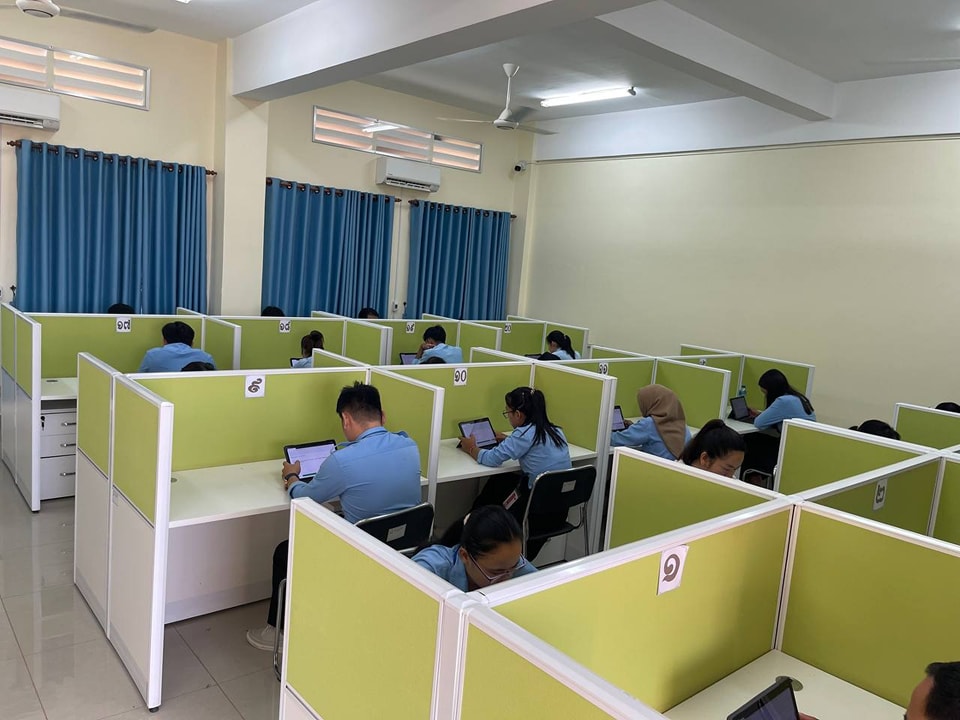
Student assessment is conducted continuously and is based on knowledge, skills, attitudes, ethics, and competence in professional practice.
Assessment methods include theoretical examinations, skills assessments, clinical assessments, case studies, academic reports, presentations, and final programme examinations. Assessment ensures that graduates meet the required competencies and established professional standards.
11. Graduate Outcomes
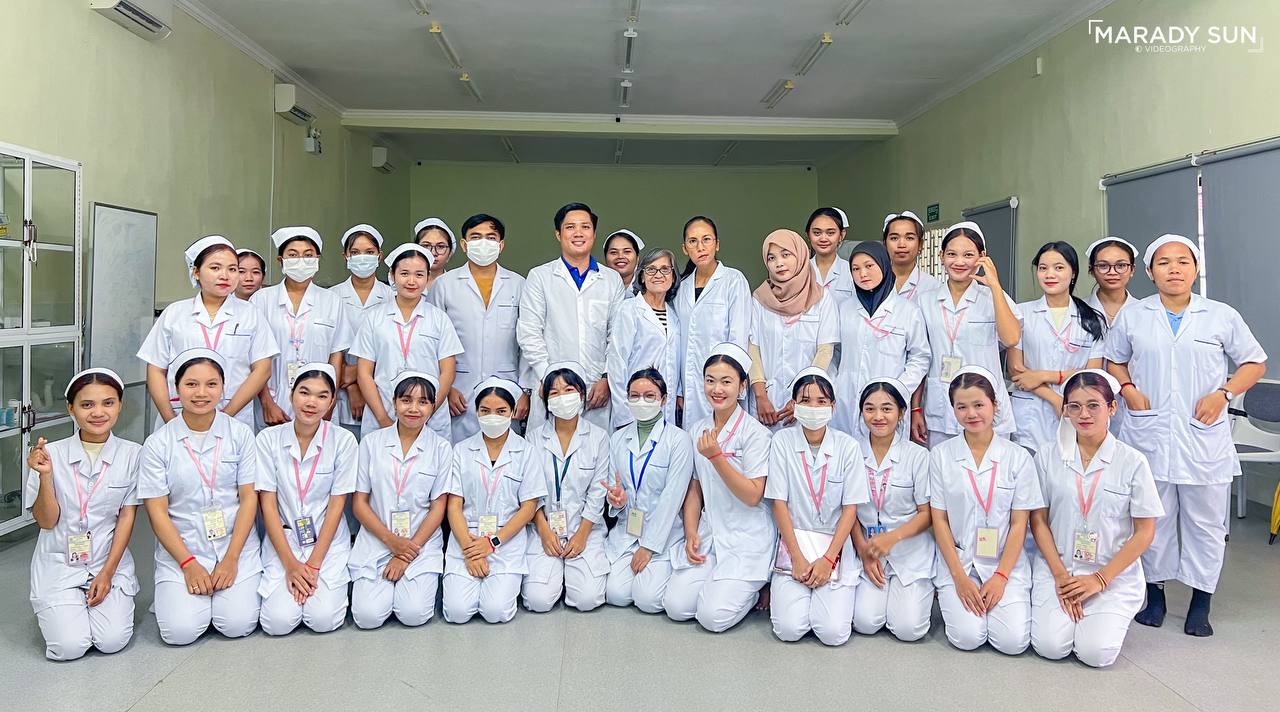
Upon completing their programme, students possess the knowledge, professional skills, ethics, and practical experience needed to work as nurses or midwives in hospitals, health centres, clinics, health institutions, and communities.
Graduates are prepared to contribute to the delivery of healthcare that is high-quality, safe, humane, accountable, and respectful of patients’ rights and dignity.
Through theoretical education, clinical practice, community work, sports, cultural activities, and social engagement, Stung Treng Regional Health Secondary School strives to prepare competent and ethical health professionals with a commitment to serving the population.
