


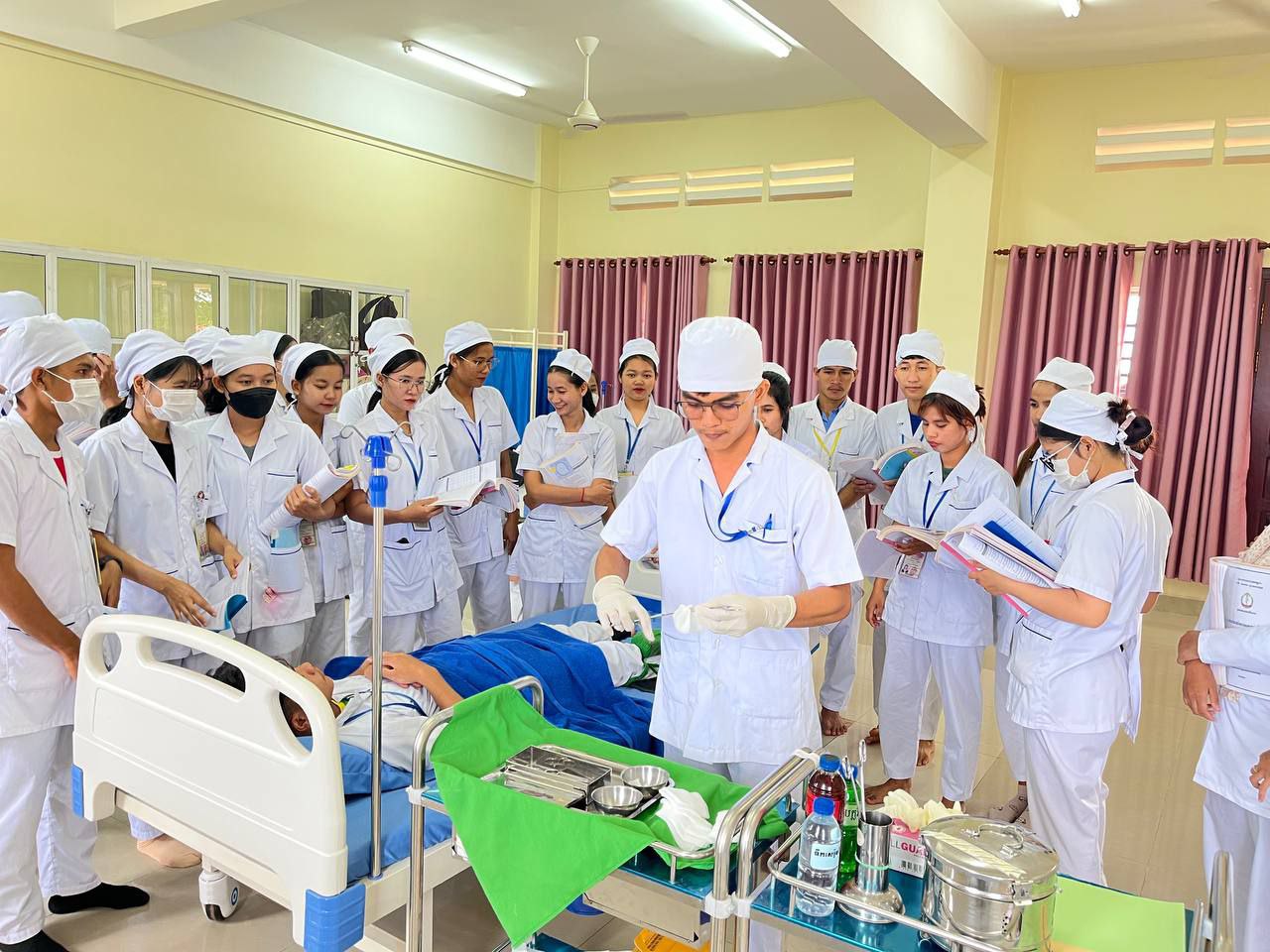
Associate Degree in Nursing
A three-year programme integrating knowledge, clinical skills, ethics and professional accountability to prepare graduates to deliver safe, high-quality nursing care.
Programme Overview
The Associate Degree in Nursing programme prepares students to provide care to individuals, families and communities throughout the life course. Learning focuses on health assessment, care planning, nursing interventions, outcome monitoring, communication and collaboration with healthcare teams while respecting patient rights, safety and dignity.
Expected Competencies
- Provide safe nursing care responsive to patient needs
- Apply clinical reasoning and evidence in decision-making
- Communicate and collaborate with patients, families, communities and healthcare teams
- Uphold professional ethics, discipline and accountability
Programme Structure by Academic Year
Each academic year comprises two semesters. Courses and practical learning progress from foundational knowledge to increasingly advanced professional competencies.
Year 1
Semesters 1 and 2Foundational and health sciences, nursing fundamentals, communication, ethics and introductory clinical skills.
Year 2
Semesters 1 and 2Adult nursing care, pharmacology, pathology, communicable diseases, mental health and supervised clinical practice.
Year 3
Semesters 1 and 2Maternal and child care, community health, emergency care, geriatric care, perioperative care, leadership and service quality.
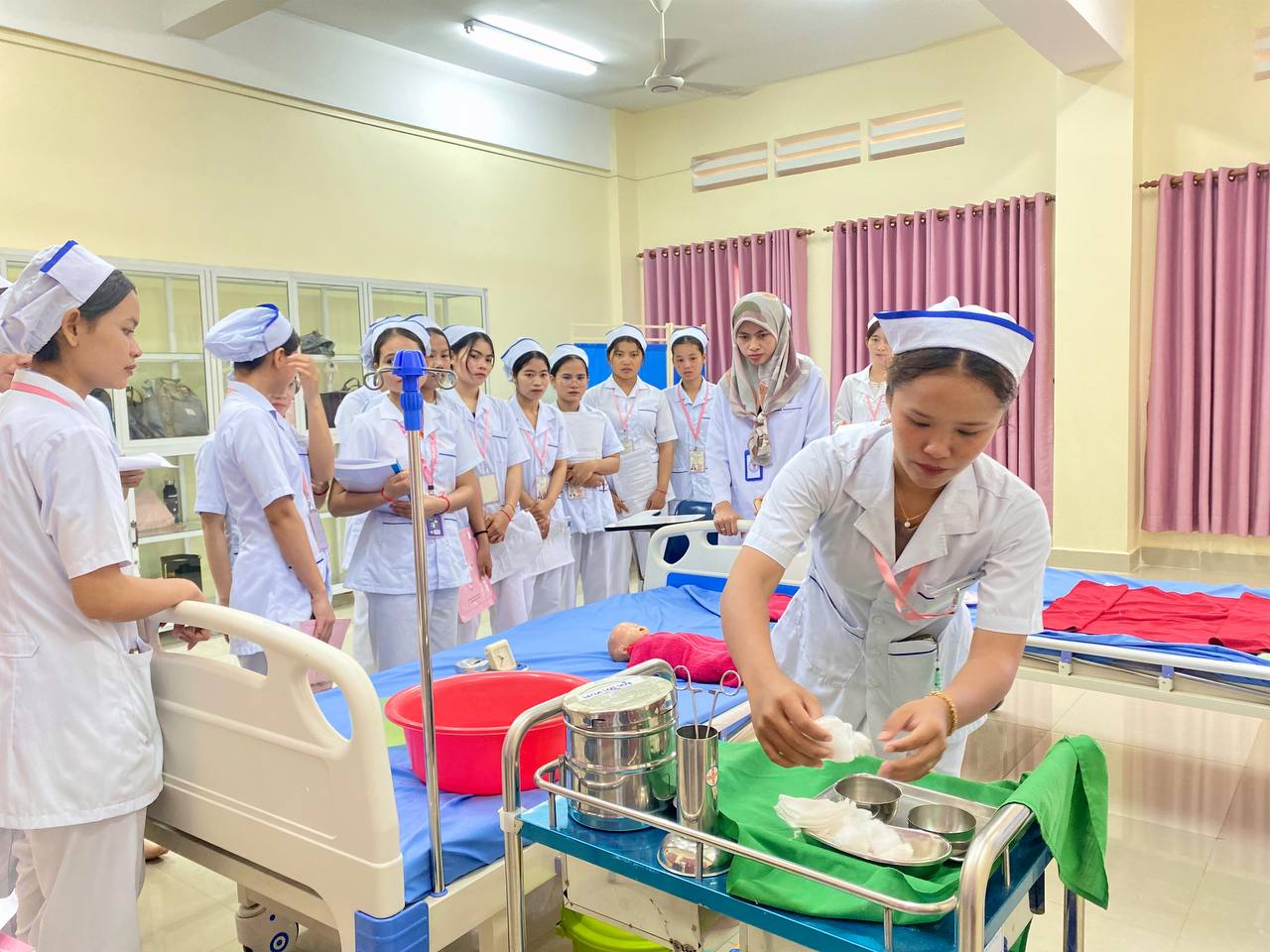
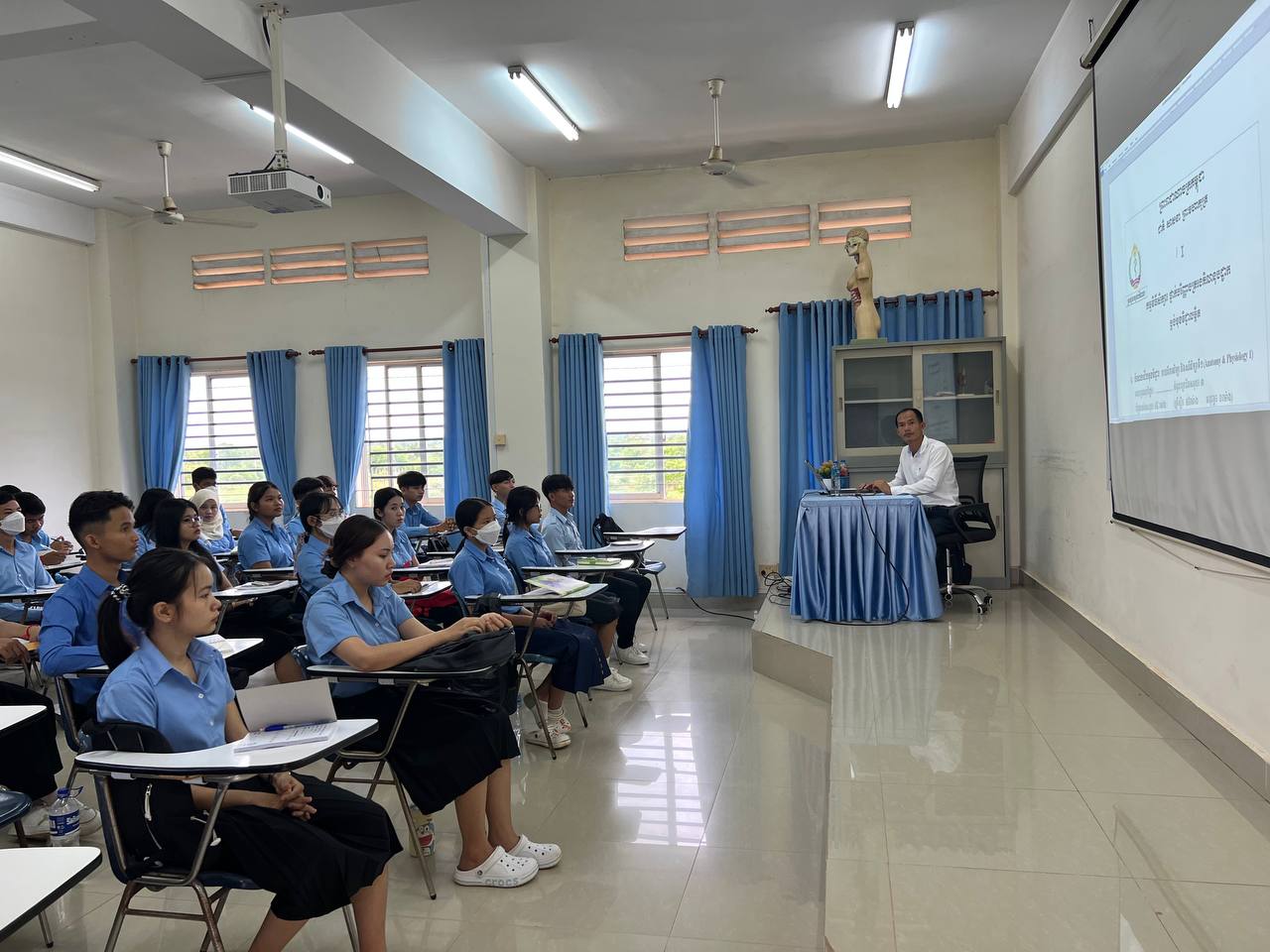
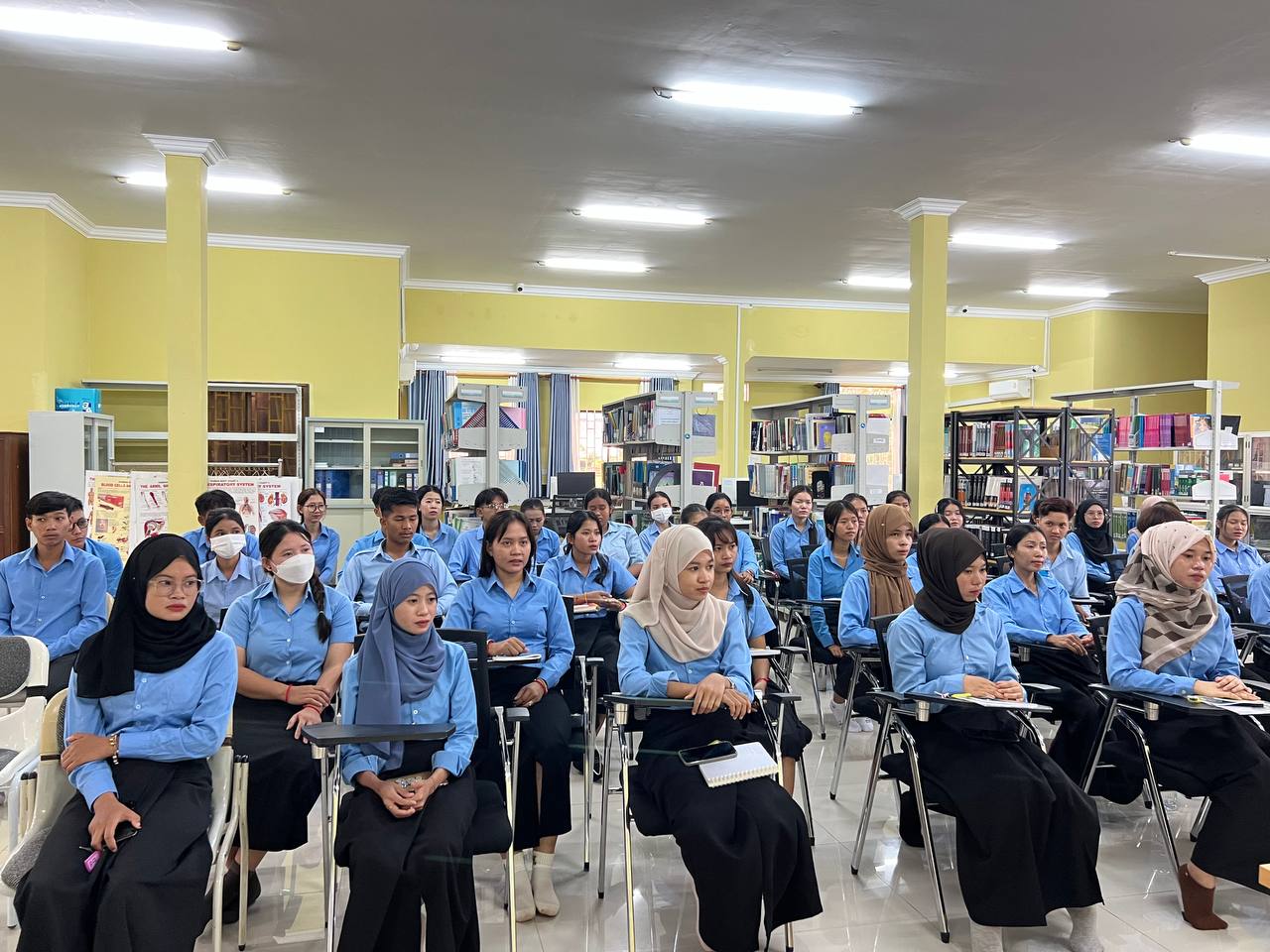
Theory Integrated with Practical Experience
Competency Development in Classrooms and Clinical Settings
Teaching and Learning Methods
- Lectures, case studies, discussions and problem-solving activities
- Skills laboratory practice before entering clinical settings
- Practice in hospitals, health centres and communities
- Guided and supervised learning in accordance with established standards
Assessment and Academic Discipline
- Continuous assessment and end-of-course assessment
- Skills assessment in laboratories and clinical settings
- Assessment of knowledge, skills, professional conduct and ethics
- A minimum attendance rate of 90% is required under programme regulations
Admission Requirements
The following are the core curriculum requirements. Current application details are governed by the official annual admission announcement.
Academic Qualification
Hold an upper secondary school diploma or an equivalent qualification.
Application
Submit the application form and required documents specified in the official announcement.
Entrance Examination
Pass the national entrance examination.
Health
Be in good health and meet all other requirements under the applicable regulations.
After Graduation
Graduates who fulfil all programme requirements may practise as nurses in healthcare services and communities and may pursue higher education in accordance with applicable regulations and institutional requirements.
Application Information
Application dates, submission locations, forms, required documents and examination schedules are specified in each official announcement. Please follow the School’s Latest News section.
