


Stung Treng Regional Secondary School of Health
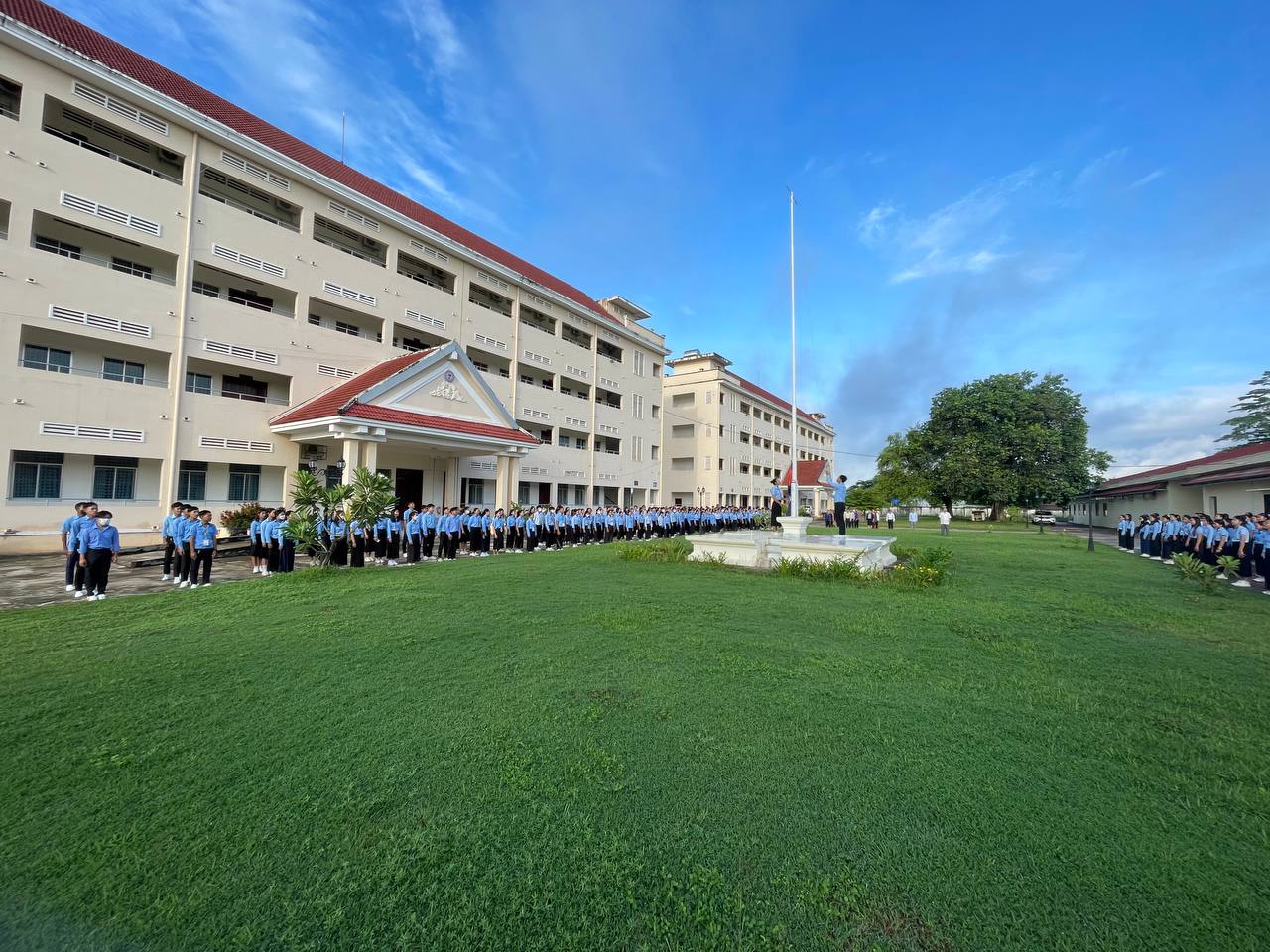
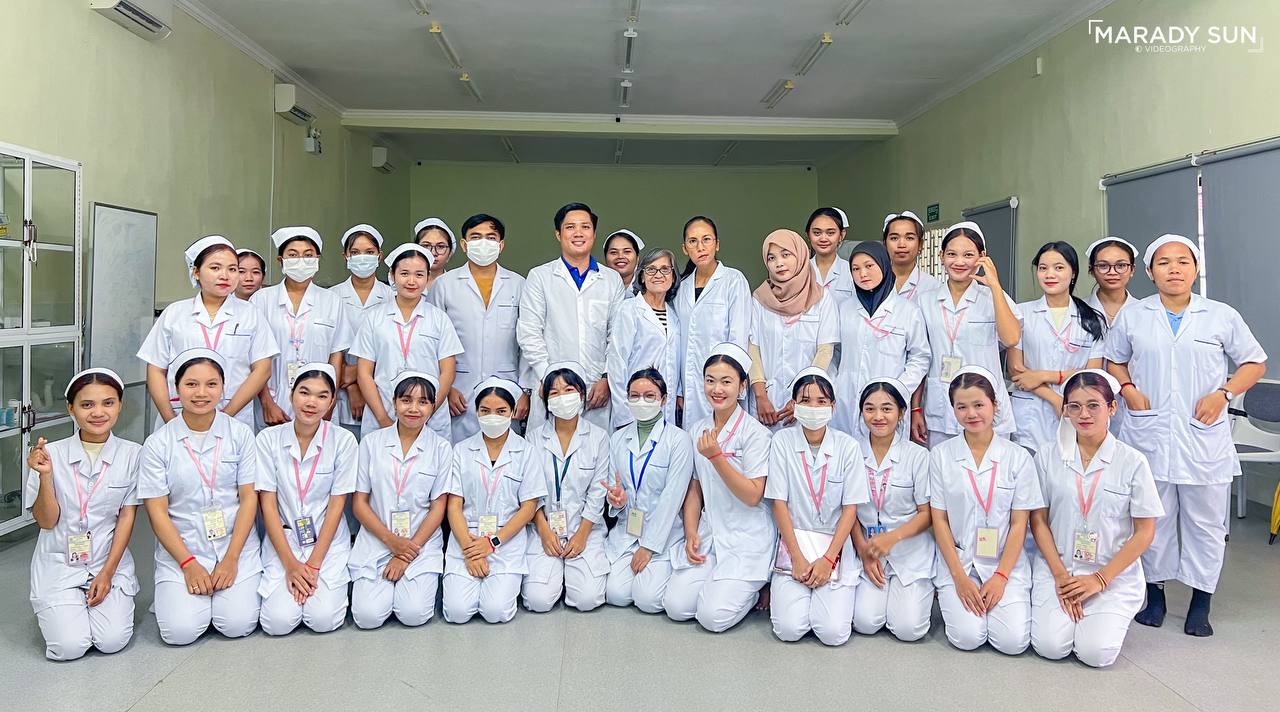
Stung Treng Regional Secondary School of Health is a public health training institution under the direct supervision of the Ministry of Health of the Kingdom of Cambodia. The School contributes to the development of qualified health professionals through quality education and training, professional ethics, continuous learning, and social responsibility.
History and Institutional Development
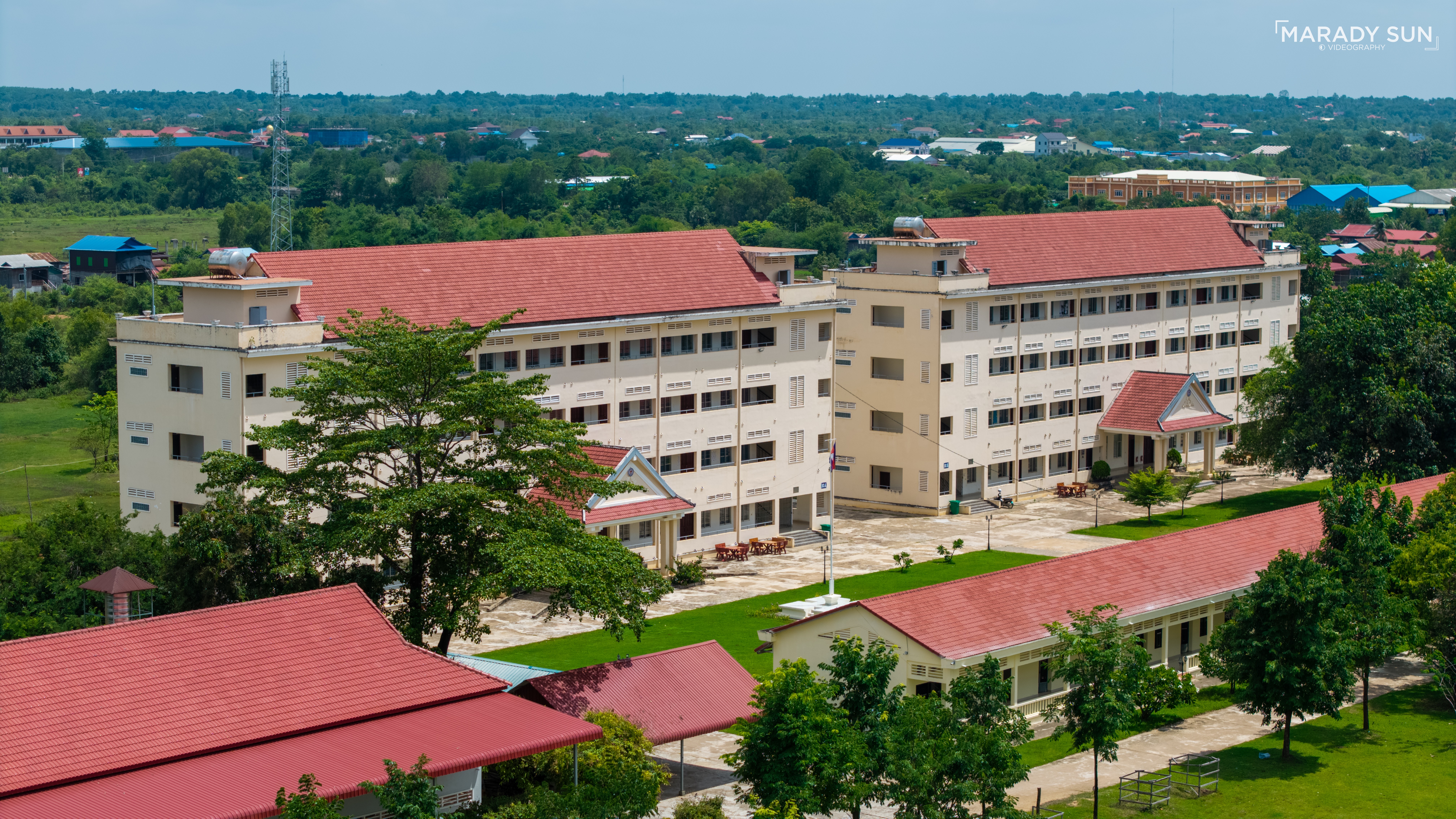
Stung Treng Regional Secondary School of Health is located in Srae Pou Village, Srah Ruessei Sangkat, Stung Treng Municipality, Stung Treng Province. The School is situated along the eastern bank of the Sekong River, approximately 400 metres east of the Cambodia–China Sekong Friendship Bridge, and occupies a total land area of 49,813 square metres.
Establishment of the School
Stung Treng Regional Secondary School of Health was established on 25 July 1987 pursuant to Decision No. 117 SSR of the Council of Ministers, dated 25 July 1987. At the time of its establishment, the School was placed under the administrative management of the Stung Treng Provincial Health Department.
Direct Administration by the Ministry of Health
Following several years of operation, the School was placed under the direct administrative management of the Ministry of Health, pursuant to Sub-Decree No. 129 ANKr.BK, dated 30 December 2002, on the Management of Regional Secondary Schools of Health.
Strengthening Health Workforce Education and Training
Since 2003, the School has continued to improve its infrastructure, strengthen the capacity of teaching staff, expand educational resources, and increase opportunities for clinical practice in order to respond to health workforce needs, particularly in Cambodia's northeastern region.
Strategic Development Period
Under its 2023–2027 Strategic Plan, the School continues to focus on strengthening the quality of education and training, developing faculty capacity, improving institutional management and governance, enhancing learning resources, and advancing national and regional recognition.
Key Achievements and Institutional Capacity
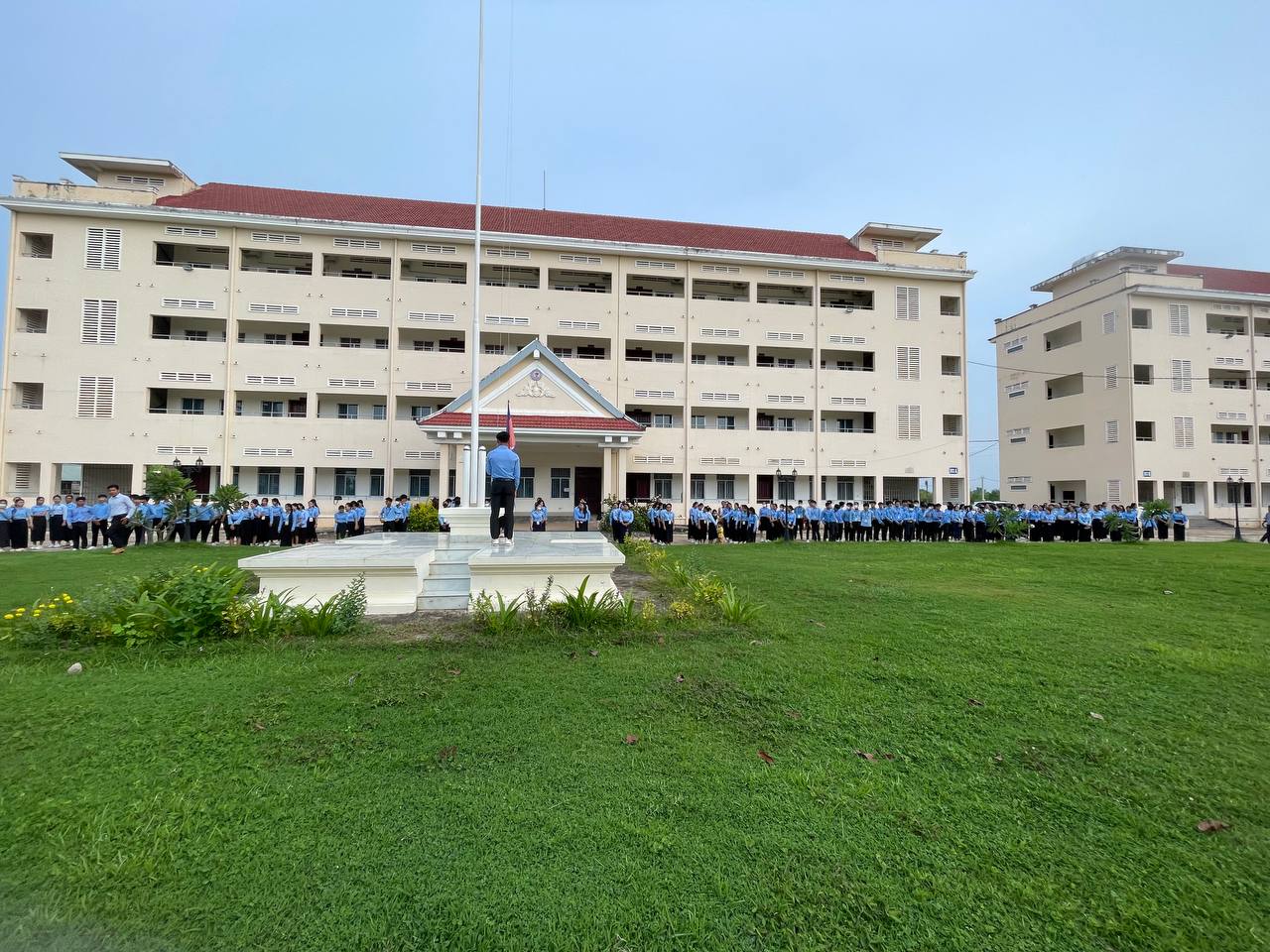
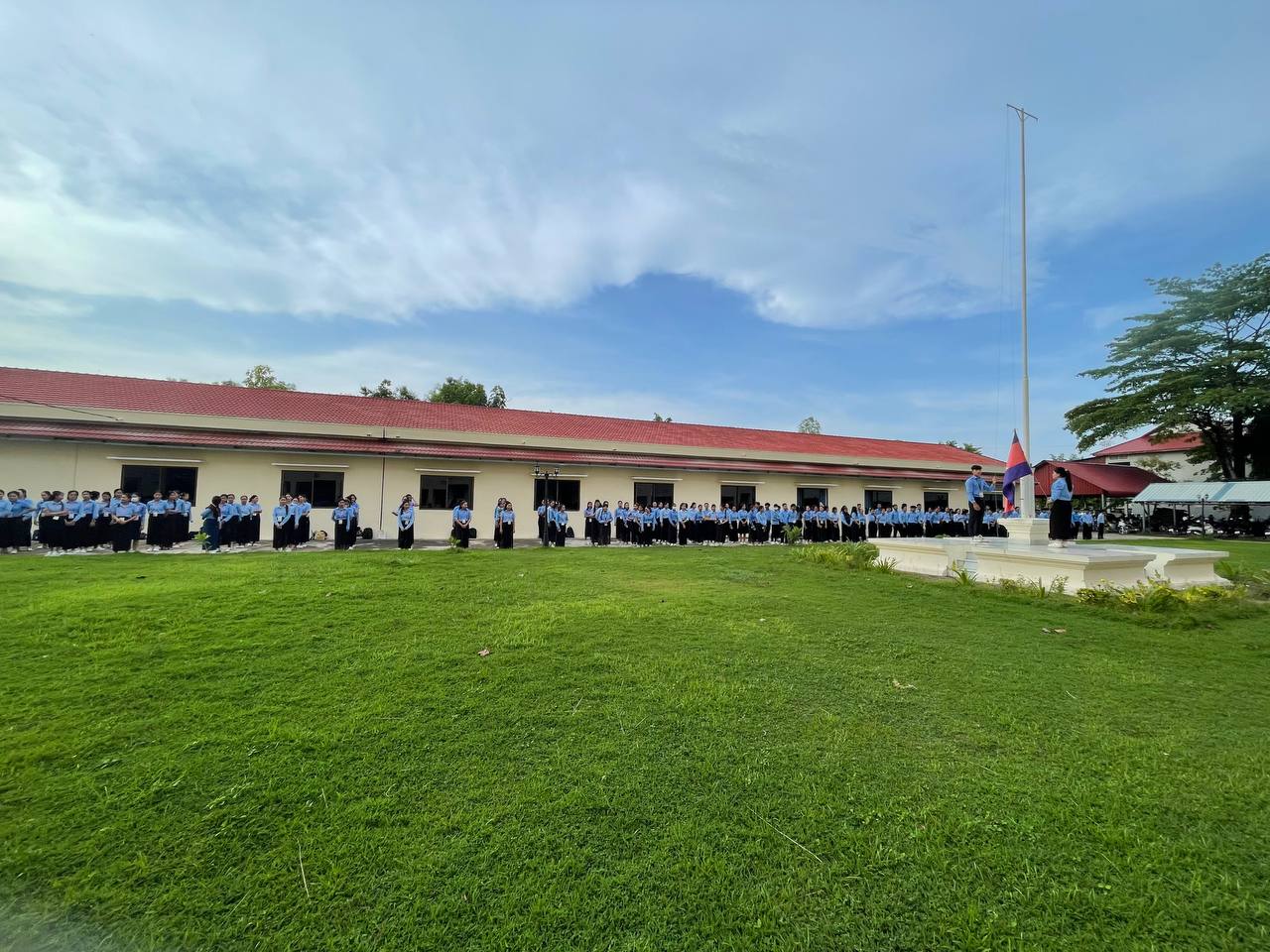
Through continuous institutional development, the School has strengthened its physical infrastructure, education and training programs, teaching capacity, learning resources, clinical practice arrangements, and overall learning environment for students.
Teaching and Learning Infrastructure
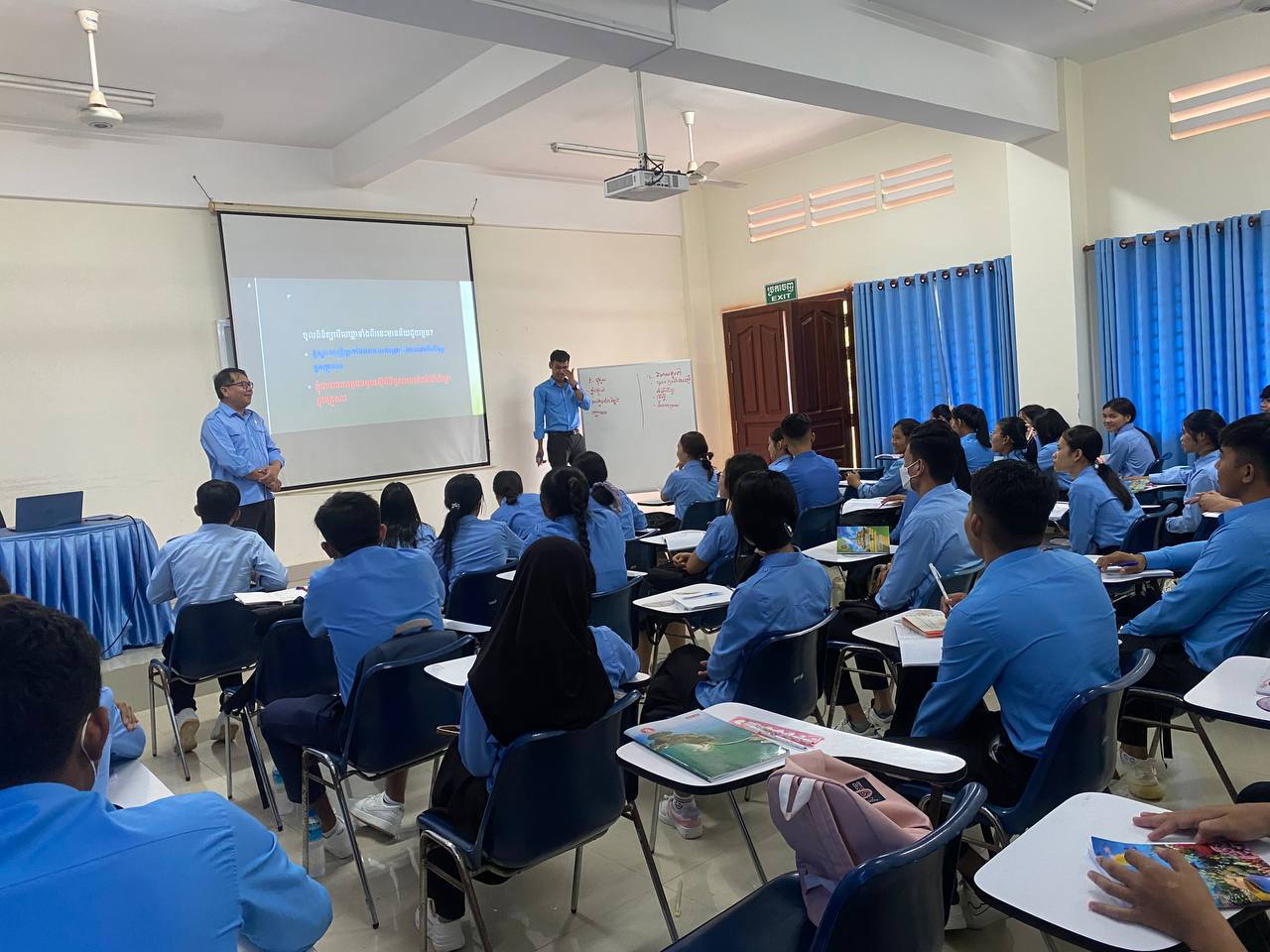
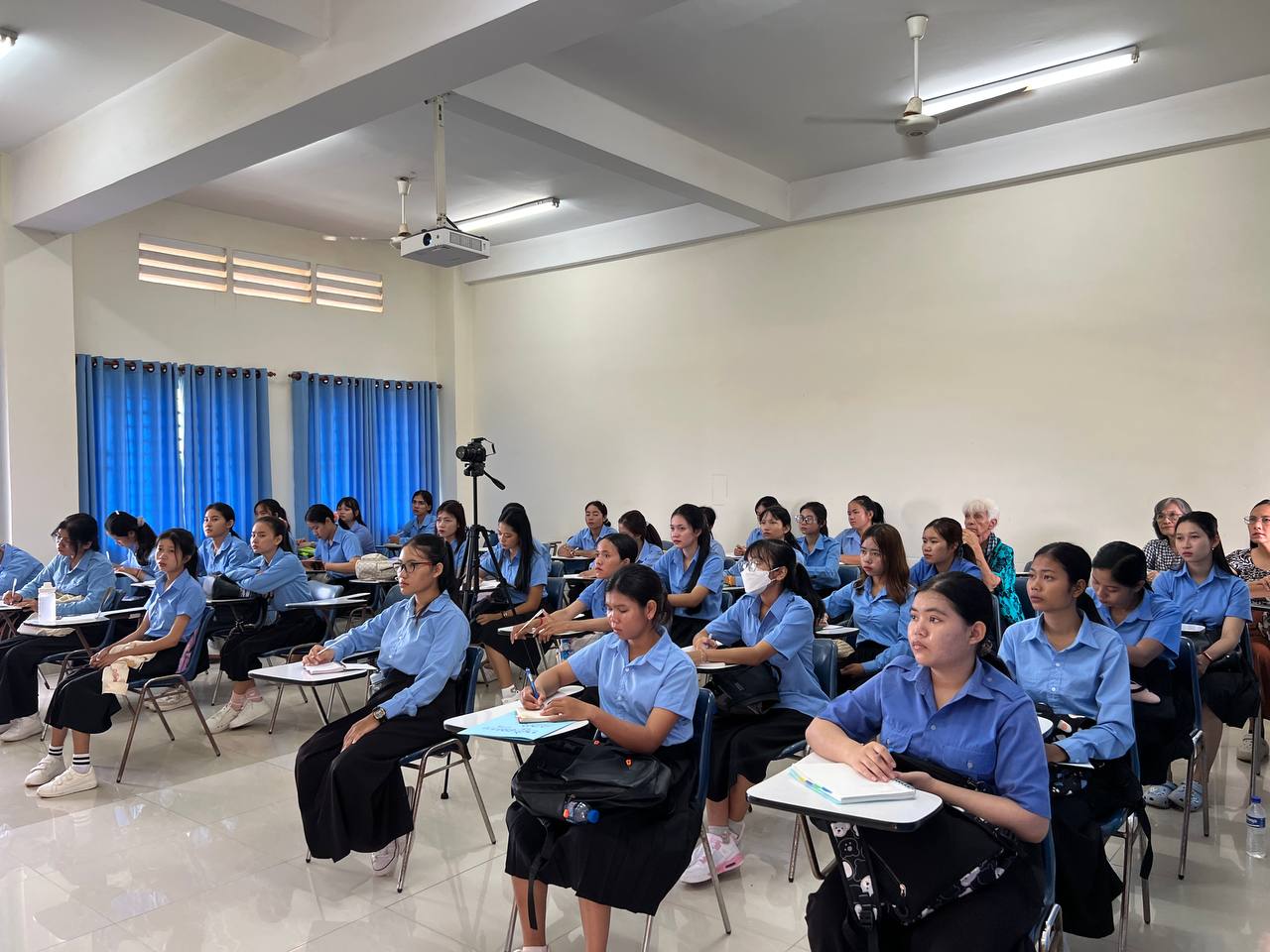
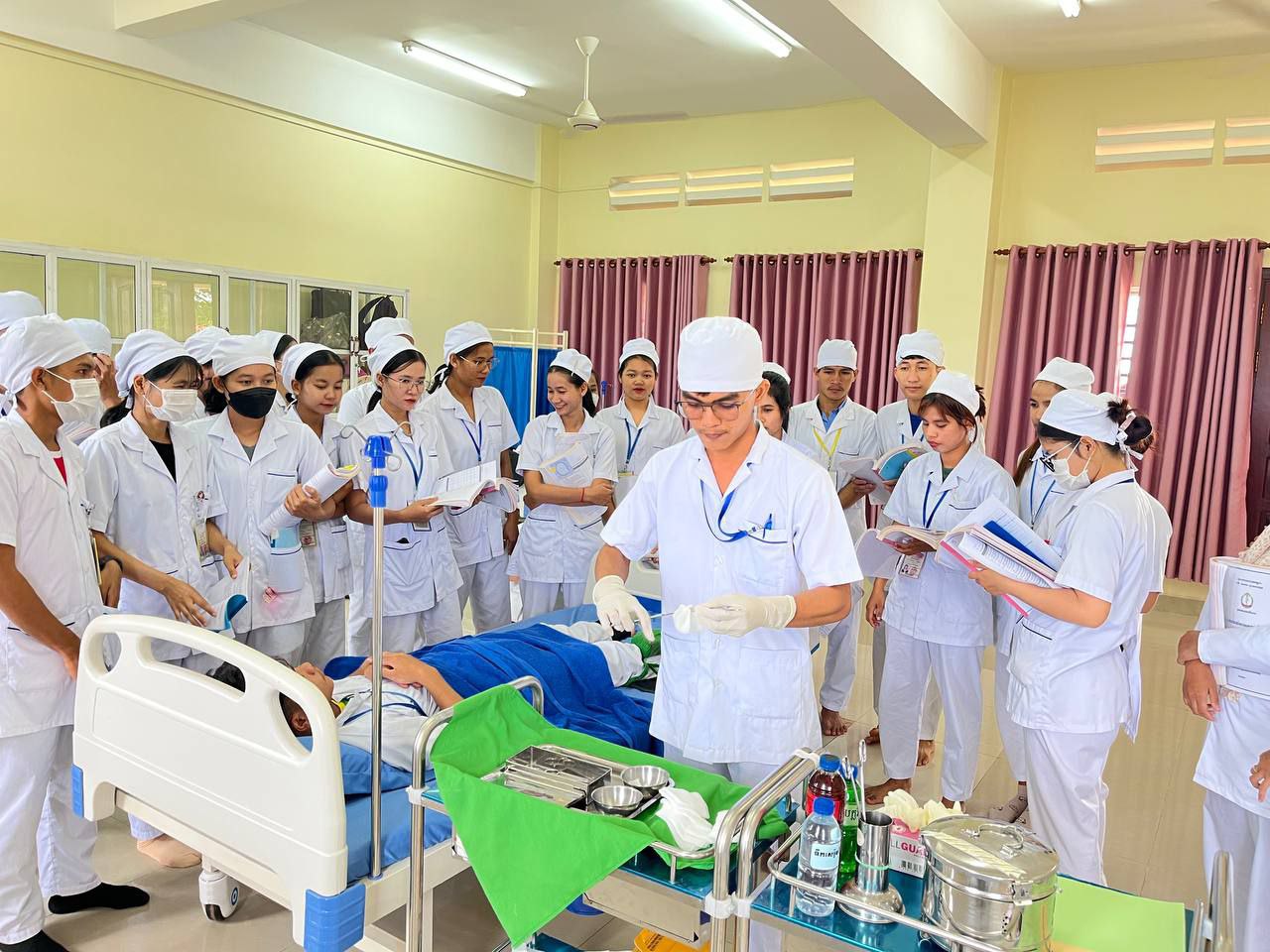
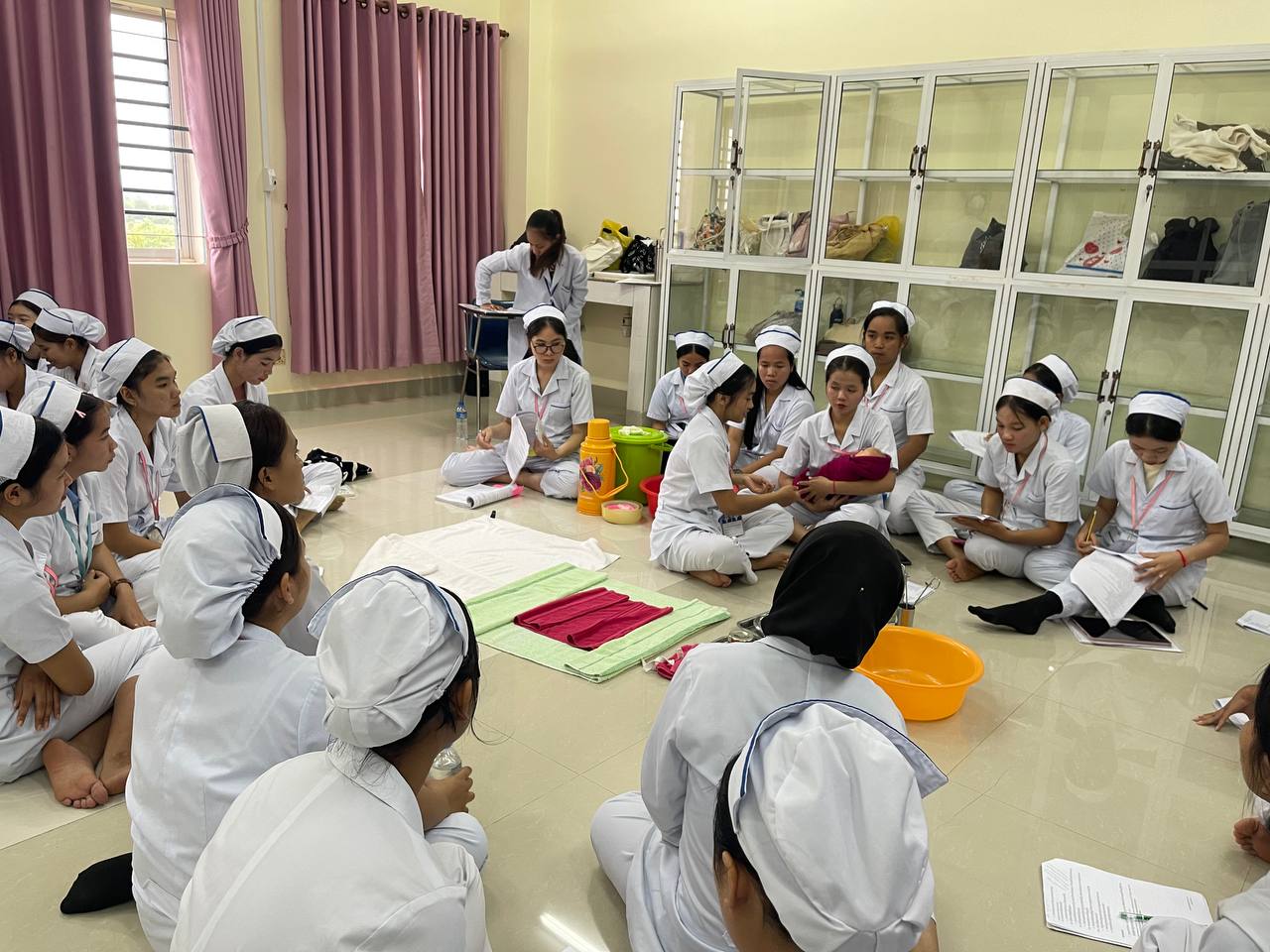
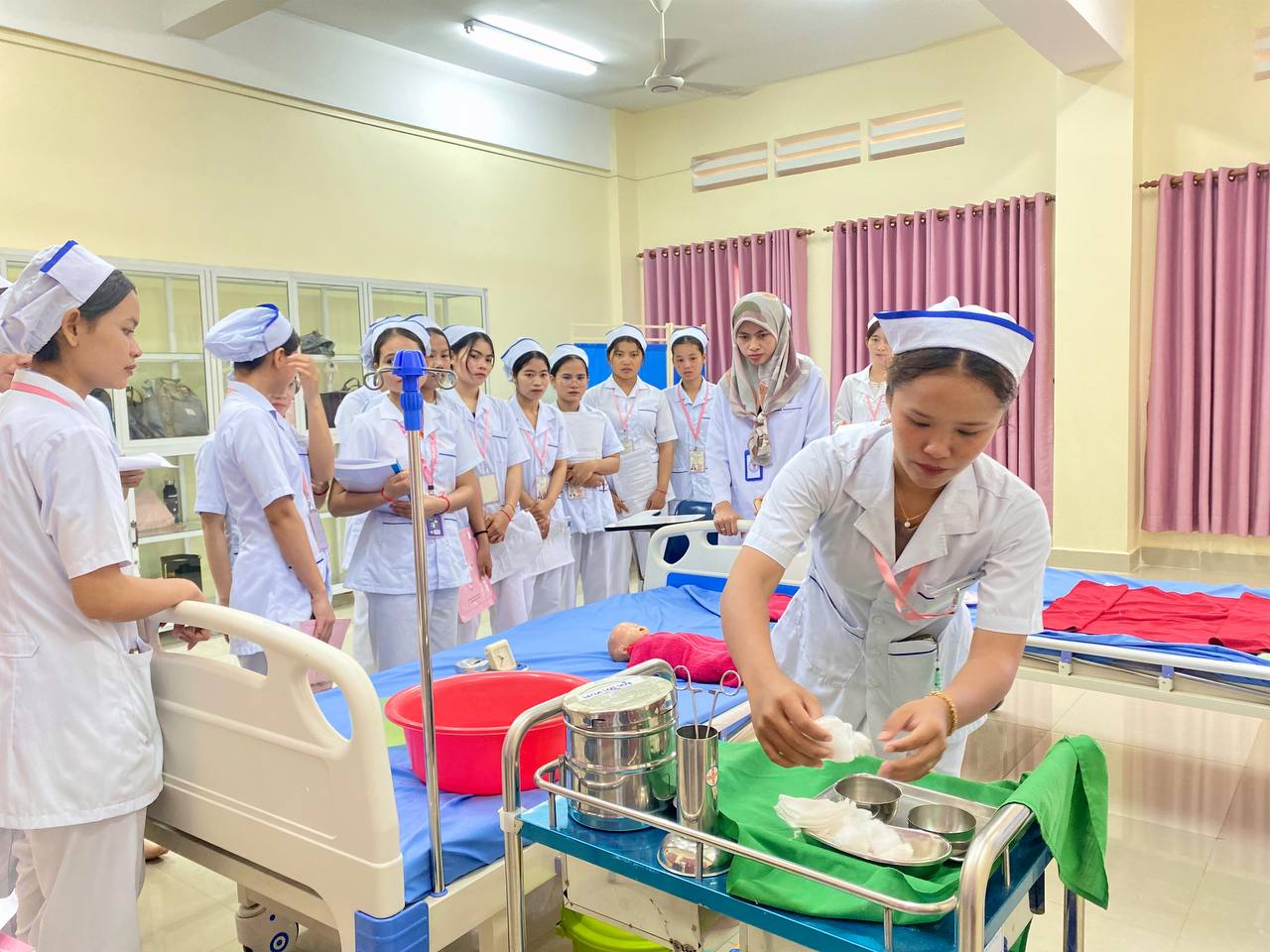
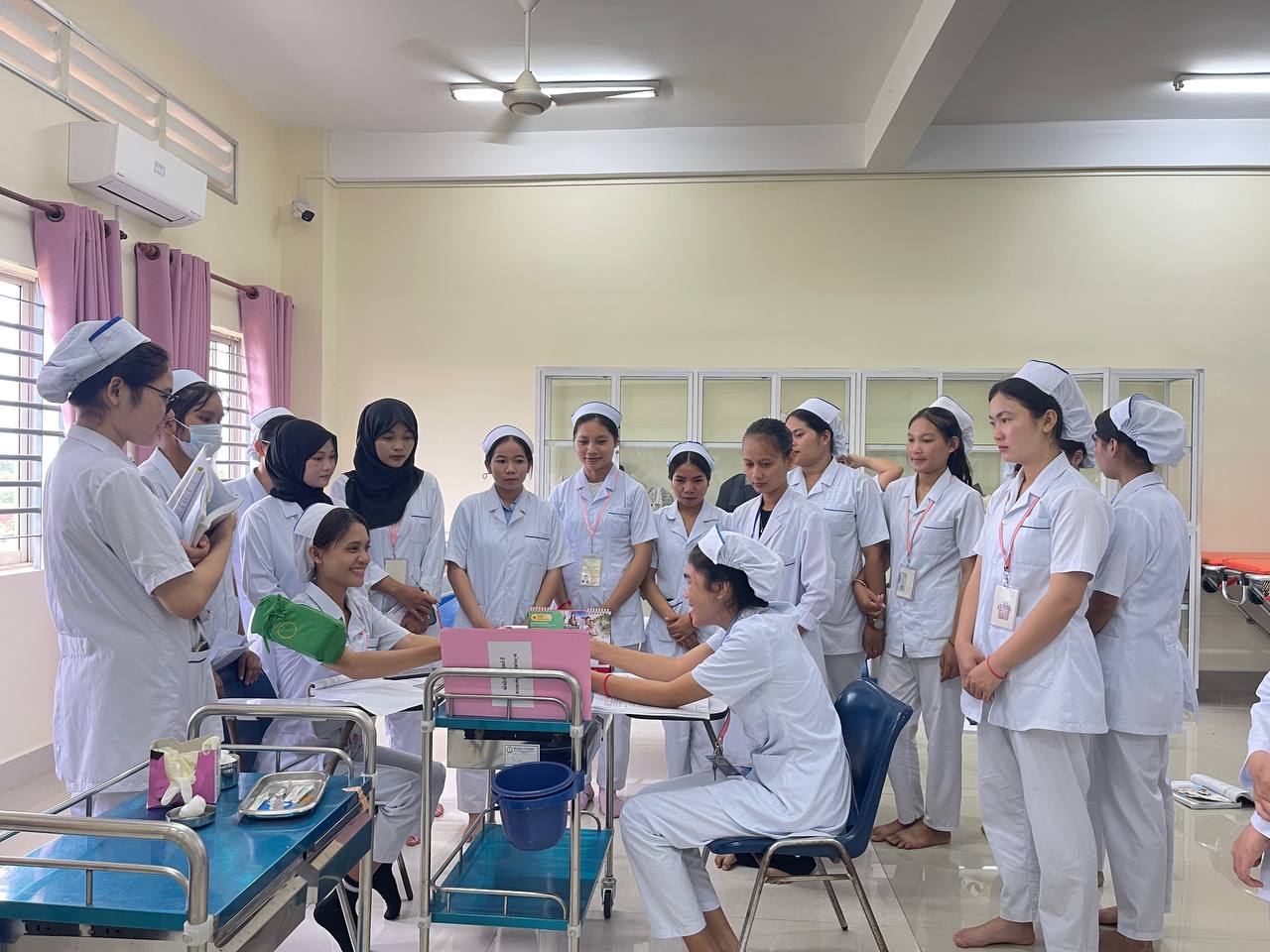
The School has developed classrooms for theoretical instruction, practical demonstration and simulation rooms, meeting facilities, and teaching equipment to support effective education and training.
Library and Academic Resources
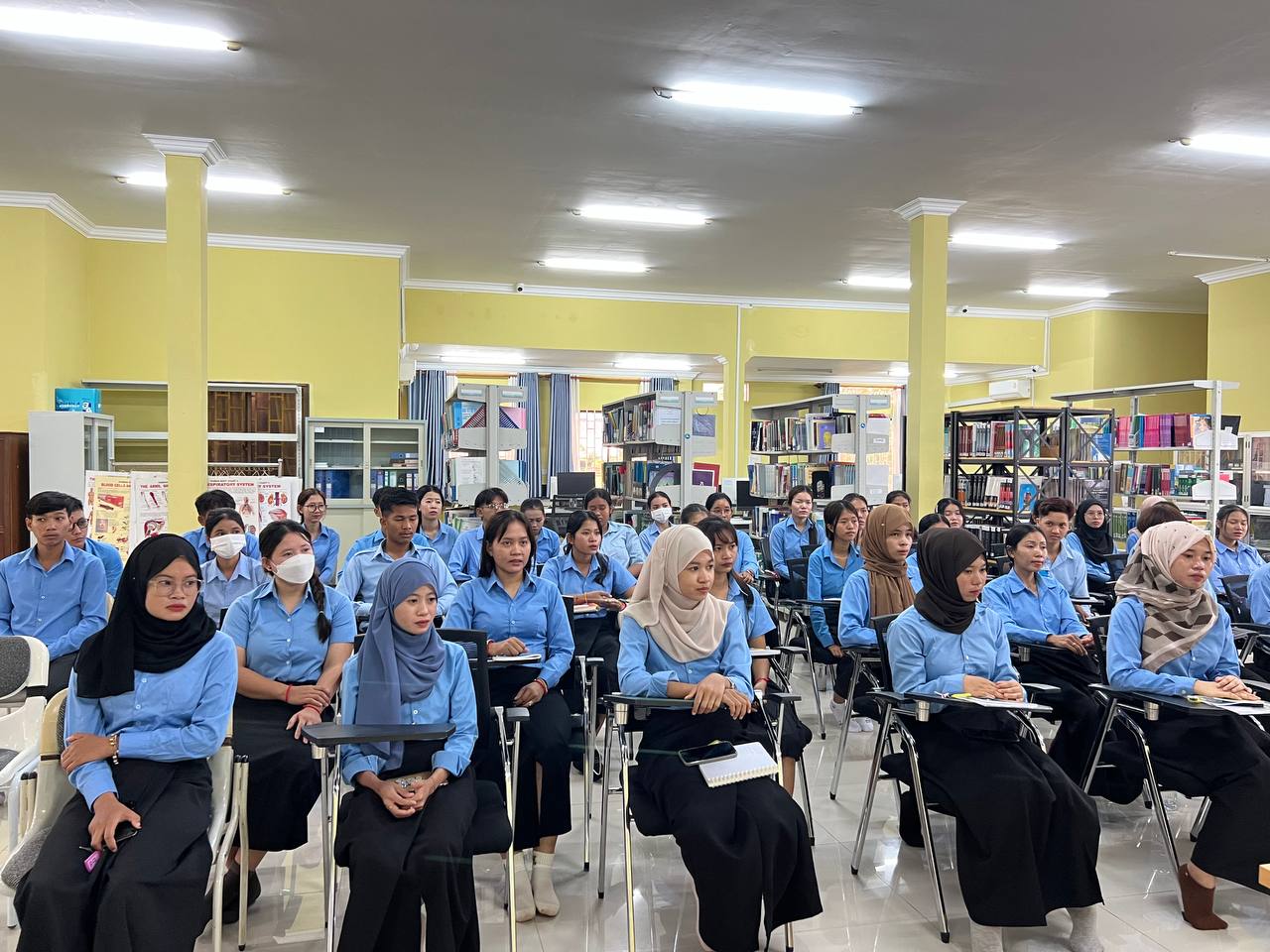
The School provides library facilities and academic resources to support reading, independent learning, academic research, and continuing professional development for both teaching staff and students.
Student Accommodation
The School provides student dormitory facilities, with particular consideration for students from disadvantaged families and those coming from remote areas.
Clinical Practice
The School collaborates with hospitals and health centers to provide students with structured opportunities for clinical practice under the supervision of qualified instructors, clinical preceptors, and health professionals.
Key Challenges and Development Needs
In response to the continuing development of the health sector and health professional education, the School remains committed to addressing key institutional challenges and strengthening its capacity in priority areas.
01. Teaching Capacity
Continue to increase the number and strengthen the capacity of theoretical instructors and clinical preceptors in order to meet curriculum requirements and maintain the quality of education and training.
02. Teaching Materials and Learning Resources
Continue to improve teaching materials, simulation equipment, reference resources, and educational technologies to support effective teaching, learning, and research.
03. Digital Information Systems
Continue to develop electronic information systems to support administration, information management, clinical practice monitoring, and communication with partner institutions.
04. Resources and Sustainability
Strengthen the efficient and accountable use of financial resources, maintain institutional infrastructure, and expand cooperation with national and international partners.
Strategic Directions and Priorities
Strengthen the Quality of Education and Training
Strengthen faculty capacity, improve curriculum implementation and teaching methodologies, and enhance the quality of student assessment in order to achieve greater national and regional recognition.
Strengthen Academic Resources and Teaching Materials
Promote research and the development of professional reference materials, strengthen library and electronic learning resources, and expand the use of appropriate educational technologies.
Strengthen Institutional Management and Governance
Improve management systems and institutional governance through greater efficiency, accountability, transparency, effective information management, and systematic monitoring and evaluation.
Advance Institutional Development
Continue institutional development toward the strategic objective of transforming Stung Treng Regional Secondary School of Health into the National Health Science Institute of Stung Treng, with broader academic programs and strengthened institutional capacity.
Promote Equitable Access to Health Education
Strengthen educational opportunities for students from remote areas, disadvantaged families, and indigenous communities in order to promote equity and inclusive access to health professional education.
Vision, Mission and Core Values
Quality Health Education with National and Regional Recognition
To be a quality higher education institution in the health sector that is recognized at both national and regional levels.
Mission
To contribute to the development of human resources in the health sector through quality education and training in health care and allied health professions, with strong professional ethics and confidence in the delivery of health services.
To provide quality education and training in health care and allied health fields, guided by professional ethics and a high level of responsibility.
To promote research, documentation, and dissemination of professional knowledge in health care and allied health sciences.
To enhance the effectiveness of institutional management and strengthen cooperation with national and international partners.
To contribute to the development of associate degree, bachelor's degree, and specialized professional programs in response to evolving health workforce needs.
Core Values
Responsibility
Perform assigned duties with responsibility, professionalism, and respect for institutional roles.
Solidarity and Teamwork
Promote cooperation, mutual support, and effective teamwork across the institution.
Humanity and Equity
Uphold the principles of humanity, compassion, equality, equity, and gender responsiveness.
Continuous Professional Development
Promote continuous learning, research, and the development of professional competence.
Accountability and Transparency
Conduct institutional activities with accountability, transparency, integrity, and responsibility.
Social Engagement
Encourage active participation in social activities and contribution to community development.
